When to Use Roof Sealants: Best Practices and Common Mistakes
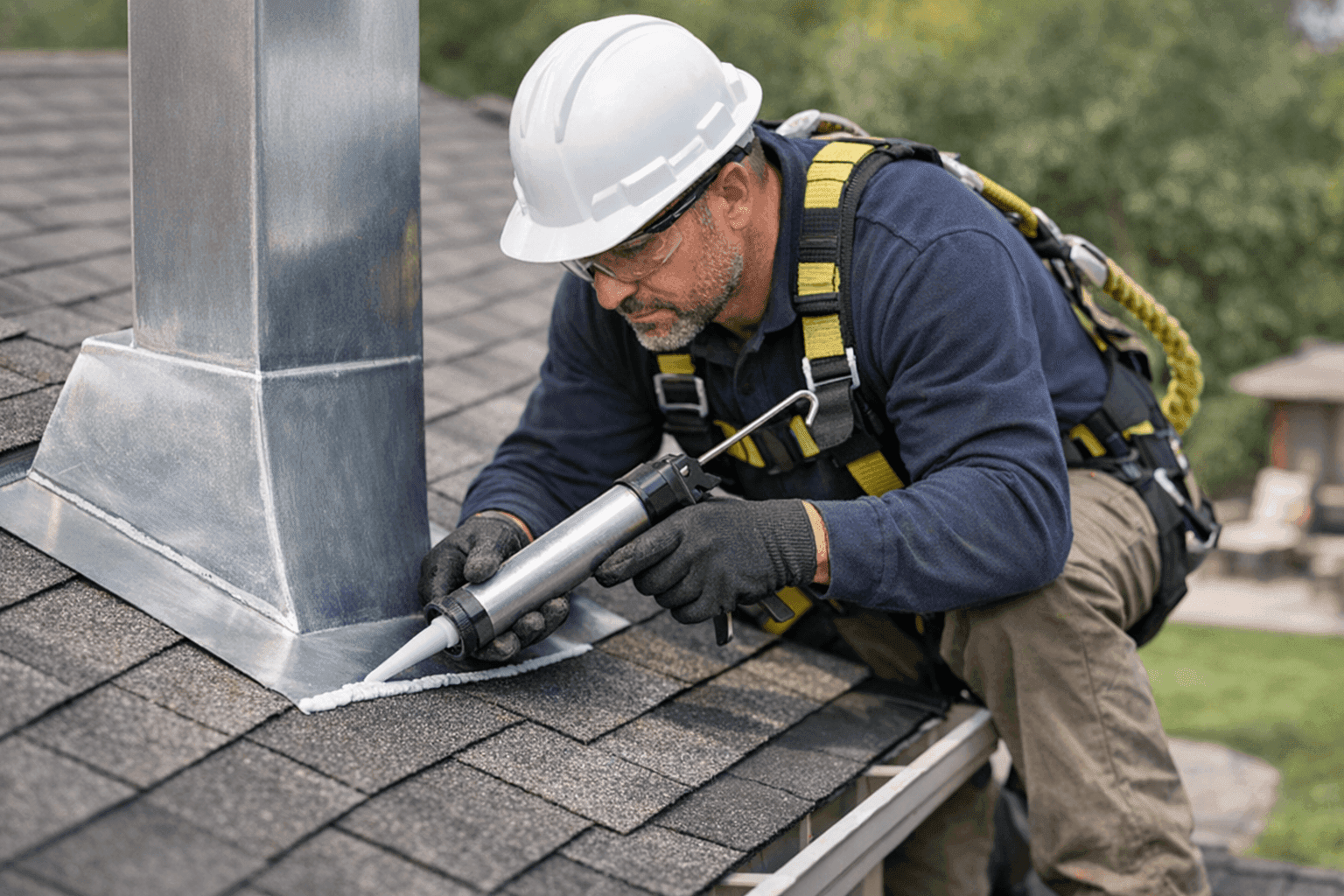
Roof leaks don’t wait for a convenient time. Sometimes, all it takes is a single storm to turn a minor drip into a major headache. That’s when knowing how—and when—to use roof sealants can save you stress, money, and a whole lot of cleanup.
At Robert Foley Roofing, we’ve seen firsthand how a well-timed, properly applied sealant can be the difference between a quick fix and a costly repair. Let’s unpack the essentials, so you can make sound decisions for your home or business.
When Roof Sealants Are Needed 🏠
Roof sealants are like raincoats for your building—they shield trouble spots when the weather turns sour. But not every leak or crack calls for a bucket of goop.
Common Scenarios for Sealant Use
- Small cracks or gaps around roof flashings, vents, or skylights.
- Minor leaks on flat roofs, especially near seams or fasteners.
- Preventative maintenance to stop leaks before they start, particularly in older shingle, tile, or metal roofing.
- Temporary fixes during emergencies, buying time until a full repair can be done.
When to Skip the Sealant
- Major structural issues: If decking is rotting or framing is sagging, sealants are just a Band-Aid.
- Large open holes or missing shingles: These need real repairs, not just a surface coating.
- On new roofs: Properly installed new roofs rarely need sealants except for flashing or specialty details.
If you’re unsure, a professional inspection is always wise. The National Roofing Contractors Association (NRCA) recommends evaluating the real cause before any sealant is applied.
Best Practices for Applying Sealants
Applying roof sealants isn’t rocket science, but a careless job can do more harm than good.
Preparation Steps
- Clean the area: Remove dirt, moss, and loose debris. Use a stiff brush or pressure washer where safe.
- Dry surfaces: Sealant won’t stick to damp or oily spots. Wait for a dry day if possible.
- Check weather: Skip application if rain or freezing temps are in the forecast within 24 hours.
Choosing the Right Sealant
Not all products are created equal. Some are made for shingles, others for metal, gutter seams, skylights, or flat roofs. Select a sealant that matches your roofing material and climate needs. Look for one that meets ASTM D4586 or ASTM C920 standards for roofing use.
Application Tips
- Use a caulk gun for precise bead control.
- Press sealant into cracks, smoothing with a putty knife or gloved finger.
- Don’t over-apply: A thick mess won’t cure well and can trap water underneath.
- Layer as needed: For wide gaps, apply in stages, letting each layer set per manufacturer’s instructions.
For larger repairs or persistent leaks, our sealants and coatings service covers everything from eco-friendly membranes to high-grade elastomerics.
Common Mistakes to Avoid 🚫
DIY repairs can save the day, but a few missteps with sealants create bigger headaches down the road.
The Big Blunders
- Sealing over wet or dirty surfaces: Nothing sticks, and moisture gets trapped—leading to rot.
- Ignoring the source: Covering a leak without fixing the root cause is like painting over rust.
- Using indoor caulk outdoors: Only exterior-grade, UV-stable products will last on a roof.
- Applying sealant in freezing or wet weather: Most products need warmth and dry conditions to cure.
- Overusing sealant: Smearing sealant all over the roof creates a patchwork mess and can void warranties.
If you’re tackling a tricky spot, our roof repair pros have seen every scenario and know how to make repairs last.
Maintenance After Sealing
Sealants aren’t a “set it and forget it” fix. Even the best products need regular checks.
What to Watch For
- Cracking or peeling: UV rays, heat, and snow can break down sealants over time.
- Signs of fresh leaks: Even the smallest drip can mean it’s time for a reapplication or deeper repair.
- Debris buildup: Leaves and twigs trap moisture and speed up sealant breakdown.
Annual Checkups
A yearly roof inspection—especially after hail, high winds, or heavy snow—lets you catch early warning signs. This is especially important on flat roofs, where pooling water can quickly find weak spots.
If you’re in the Lincoln area, our local team is available year-round for thorough inspections and maintenance.
Safety First: Quick Checklist 🛠️
Before you grab a ladder, take a beat to think safety. Roofing work, even quick sealant jobs, carries real risks.
- Use stable ladders on flat, dry ground.
- Wear non-slip shoes and gloves.
- Never work alone—always have someone nearby.
- Be weather-wise: Avoid windy, icy, or rainy days.
- Know your limits: If a repair looks risky, call a pro.
For more on safety, the Occupational Safety and Health Administration (OSHA) offers roof work guidelines worth reading.
DIY or Call a Pro?
Some sealant jobs are straightforward. Others? Not so much. Here’s a simple rule: if you’re patching a nail hole, give it a go. If you’re sealing a stretch of flat roof, flashing, or a skylight, consider calling in help.
Pros bring more than just know-how—they spot hidden issues, use the right products, and ensure repairs meet local building codes. For major commercial roofing or when structural repairs are needed, always leave it to the pros.
What to Expect When Pros Arrive
When you call Robert Foley Roofing, here’s what happens next:
- Inspection: We assess the leak, check ventilation, and inspect surrounding areas.
- Material match: The right sealant is selected for your roof type—shingle, metal, tile, or flat.
- Prep and clean: Surfaces are cleaned and dried.
- Application: Sealant is applied to the correct thickness and shape.
- Final check: We double-check for any missed spots or larger issues.
This thorough approach prevents short-term patches from becoming long-term problems.
Prevention & Maintenance: Staying Ahead of Trouble 🌦️
Think of sealant as insurance against the weather. But the best “insurance” is prevention.
- Trim trees: Overhanging branches drop leaves, trap moisture, and gouge shingles.
- Keep gutters clear: Backed-up gutters cause leaks at the eaves.
- Inspect after storms: Look for new cracks, loose flashing, or missing shingles.
- Schedule regular maintenance: Even a quick visual check each season catches small problems before they get big.
Regular preventative maintenance isn’t just for old roofs. New installations benefit too, especially in high-wind or storm-prone areas.
Costs & Time Factors
Sealant is one of the most affordable fixes in roofing, but costs vary with the size of the job and product used. For a single vent pipe or flashing, expect to spend less than a dinner out. For entire flat roofs or commercial properties, materials and labor add up.
- Small repairs: Usually done in under an hour.
- Larger jobs: May require multiple visits, especially if drying time is needed between layers.
Remember, quick fixes can sometimes mask underlying issues. It’s smart to budget for a full repair if the same leak returns.
When It’s an Emergency
A sudden leak during a storm can’t wait. Roof sealant is sometimes used as a temporary plug until a permanent fix is possible. In these cases, quick action saves drywall, flooring, and furniture from water damage.
For immediate response, our emergency roofing services ensure help is close by, no matter the weather.
FAQ: Roof Sealants
Q: How long do roof sealants last?
A: Most last 3–7 years, but extreme temperatures and sun exposure can shorten lifespan.
Q: Can I seal a flat roof myself?
A: Small patches, yes—but for large areas or recurring leaks, call for professional help.
Q: Will sealant stop all leaks?
A: Only if the source is minor and the right product is used. Structural or widespread issues need more thorough repairs.
Q: Is sealant safe for all roofing types?
A: No. Some products can damage certain materials. Always check compatibility.
Seasonal Considerations
Sealant performs best in moderate temperatures—spring and fall are ideal. In winter, products may not cure properly, and in summer, hot surfaces can cause sealant to flow or blister.
After heavy rain or snow, inspect your roof for new trouble spots. Decking near you may be especially vulnerable if gutters back up or flashing lifts during freeze-thaw cycles.
Signs of Trouble: What to Watch For
- Dark stains on ceilings: A sign sealant has failed.
- Peeling paint or bubbling plaster: Moisture is getting in.
- Visible cracks or splits in old sealant: Needs reapplication.
- Mold or mildew near the attic: Chronic leaks may be hidden out of sight.
Timeline & Disruption: What to Expect
Most sealant applications are quick and low-disruption, especially for small leaks. For business owners, repairs can sometimes be done outside operating hours to minimize downtime.
For larger commercial roofing projects, plan for some disruption—especially if sections need to dry between applications.
Materials & Equipment
- Roofing-grade sealant: Choose by roof type and climate.
- Caulking gun
- Gloves and putty knives
- Ladder, safety harness, and non-slip footwear
- Brush or blower for cleaning surfaces
Always read product labels and follow manufacturer instructions for best results and safety.
Roof leaks don’t wait—neither should you. Whether you need a quick patch or a lasting repair, Robert Foley Roofing has the experience, the tools, and the right approach for every job.
Call Robert Foley Roofing now — or reach us anytime at 844-684-1881 .