Ice Dams: How to Prevent and Remove These Winter Roof Hazards
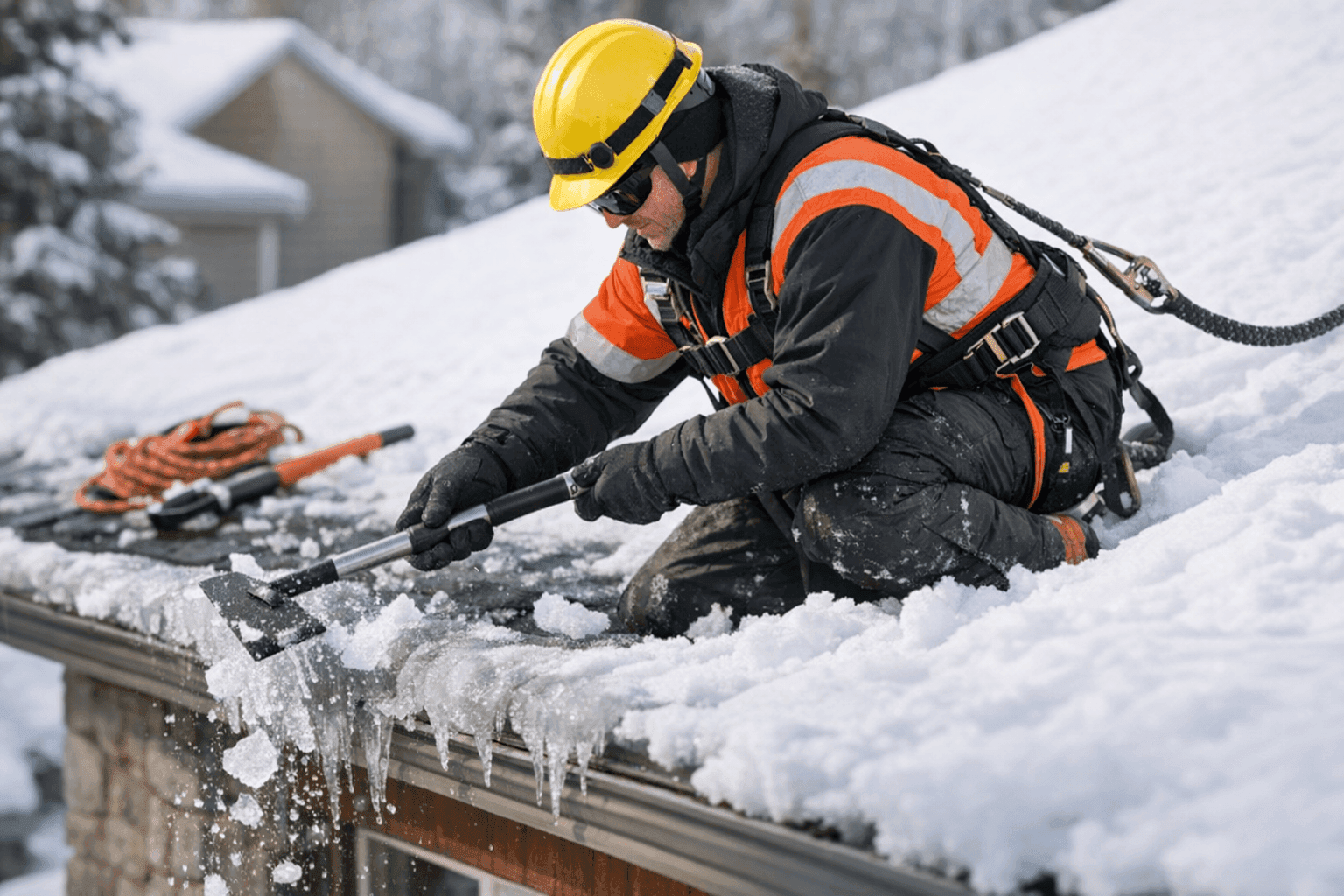
Winter can be beautiful—until your roof turns into a frozen waterfall. If you’ve ever seen thick ridges of ice hanging from the edge of your roof, you already know how nerve-wracking ice dams can be. Left unchecked, they can turn a cozy home or a bustling business into a leaky mess.
At Robert Foley Roofing, we’ve seen firsthand how winter’s chill can sneak inside, causing big headaches and even bigger repair bills. Let’s break down why ice dams happen, how to spot them early, and—most importantly—how to keep your roof safe all season.
What Are Ice Dams? The Icy Blockade on Your Roof
Picture this: Snow blankets your roof. The attic is warm, but the air outside is freezing. Snow melts, slides down, and then—bam—it hits the cold roof edge. That’s where the water refreezes, forming a stubborn ice wall. This is an ice dam.
Behind that dam, water pools up. It’s like a miniature reservoir, except it’s trying to get inside your house. Over time, that water can slip under shingles, soak insulation, and drip into your living space or business.
How Ice Dams Form: The Real Culprits
Ice dams don’t just appear out of nowhere. They’re a signal that something under the roof isn’t working right. Here’s what usually goes wrong:
- Heat loss from inside: Warm air escapes into the attic, heating the roof and melting snow unevenly.
- Poor insulation: Gaps or thin spots in attic insulation let too much warmth reach the roof deck.
- Shoddy ventilation: Without a good flow of cold air through the attic, the roof stays too warm in spots.
Think of your attic as a winter hat for your building. If it’s full of holes, the warmth leaks out and causes trouble.
Why Ice Dams Are Dangerous: Not Just a Dripping Nuisance
Ice dams may look harmless. But under the surface, they can:
- Lift shingles and allow water to rot the roof deck
- Soak insulation, making your building less energy efficient
- Cause paint to peel and stains to appear on ceilings or walls
- Lead to mold growth and wood rot
- Damage gutters and downspouts, making future storms even worse
For commercial properties, even a small leak can mean business disruption or lost inventory.
Early Warning Signs: How to Spot Trouble Before It Grows
Don’t wait for a waterfall in your living room. Watch for these clues:
- Icicles forming along the gutter line or behind gutters
- Water stains or damp spots on ceilings, especially near exterior walls
- Paint bubbling or peeling indoors
- Ice or dampness in attic insulation
- Unusual water dripping from soffits or siding
If you notice these symptoms, your roof may already be at risk.
Quick Winter Roof Safety Checklist 🧤
Before snow season sets in, use this list to stay ahead:
- Inspect the attic for wet insulation or signs of mold
- Check that attic vents aren’t blocked by insulation or debris
- Make sure gutters and downspouts are free of leaves and ice
- Look for daylight through the attic roof—an invitation for heat loss
- Schedule a professional inspection if you’re unsure about your attic’s condition
Prevention: Stopping Ice Dams Before They Start
Most ice dam solutions start inside, not on top. Here’s how to give your building a fighting chance:
1. Upgrade Insulation:
A well-insulated attic keeps warmth in the living space where it belongs. Focus on the attic floor, especially above exterior walls.
2. Improve Ventilation:
Cold air should move freely from soffit vents (near the eaves) to ridge or gable vents at the top. This helps keep the roof deck cold, preventing uneven melting.
3. Seal Gaps and Leaks:
Plug up any holes around attic hatches, plumbing vents, or electrical work. Every small opening leaks heat.
4. Maintain Gutters and Downspouts:
Clear gutters let melted snow escape instead of pooling and freezing at the edge.
For a closer look at attic upgrades, explore our ventilation and insulation services.
Safe Ice Dam Removal: What NOT to Do
It’s tempting to grab a shovel or hammer and attack the ice. Please don’t. DIY removal often leads to:
- Damaged shingles or gutters
- Personal injury from falling off a slippery roof or ladder
- Electrical hazards if power lines are nearby
Salt, de-icers, or “roof melting” chemicals can also harm roofing materials and landscaping.
How the Professionals Handle Ice Dams
When you call in a roofing specialist, here’s what happens:
- Assessment: We check the attic, roof surface, and gutters to find the root cause.
- Steam Removal: Pros use low-pressure steam—not hammers or chisels—to gently melt away ice without harming shingles or flashing.
- Leak Repair: Any water damage or shingle issues are addressed quickly.
- Insulation & Ventilation Upgrades: Long-term fixes are recommended so you’re not facing the same problem next winter.
Every step follows building code and safety guidelines, like those from the National Roofing Contractors Association (NRCA) and OSHA.
DIY vs. Professional Help: Weighing the Risks
Let’s be honest. Climbing onto an icy roof is risky even for seasoned roofers. Homeowners and business owners face:
- Slips and falls
- Accidental damage to roofing or gutters
- Missed signs of hidden leaks or mold
A professional brings not just tools, but years of problem-solving and safety training. Sometimes, the safest “DIY” is picking up the phone.
When It’s an Emergency: Act Fast, But Stay Safe 🚨
If you see water dripping indoors or hear the telltale sound of water behind walls, you can:
- Place buckets or towels to catch drips
- Clear heavy snow from the ground with a roof rake (while standing safely below)
- Move valuables away from potential leak paths
But never try to chip away ice from a ladder or climb onto a slick roof. That’s when it’s time to get help.
We respond quickly to emergency roof calls, and we’re ready to help whether you’re in Barnstable or the surrounding area.
Seasonal Considerations: Preparing for Winter
Before the first snowfall:
- Have your roof and gutters inspected by professionals
- Make sure attic insulation and ventilation are up to code
- Prune overhanging branches that could drop extra snow
- Consider installing heated cables along the eaves if your building is especially prone to ice dams
Preparation now means fewer headaches when the snow starts piling up.
Common Mistakes to Avoid
- Ignoring small leaks or water stains until they become major problems
- Relying on temporary fixes like salt or hot water
- Skipping annual roof and attic inspections
- Assuming new roofs can’t get ice dams (they can—if insulation or ventilation is lacking)
Frequently Asked Questions About Ice Dams
How long does it take to remove an ice dam?
Most jobs can be completed in a day, but severe cases with water damage may take longer.
Can I just wait for the ice to melt?
If you’re lucky, spring may solve the problem. But water damage can occur long before the thaw.
Will insurance cover ice dam damage?
Many policies cover sudden and accidental water damage, but it’s best to check your coverage specifics ahead of time.
The Timeline: What to Expect During Ice Dam Service
- Initial call: We ask about visible signs and possible leaks.
- On-site inspection: The attic, roof, and gutters are checked thoroughly.
- Removal: Low-pressure steam equipment is set up and ice is carefully melted away.
- Repair: Any roof, gutter, or insulation damage is fixed on the spot or scheduled for follow-up.
- Final check: We confirm water is flowing freely off your roof and no leaks remain.
What Materials and Equipment Are Used?
- Commercial-grade low-pressure steamers (not open flames or hammers)
- Safety harnesses and roof anchors
- Insulation and ventilation materials that meet building codes
- Protective gear for working in cold, slippery conditions
Best Practices: Keep Your Roof Strong All Winter
- Schedule professional roof and attic inspections each fall
- Keep gutters clear of debris before and after snowstorms
- Upgrade attic insulation and ventilation as needed
- Address any sign of water damage immediately
These habits extend your roof’s lifespan and protect your property investment.
Final Thoughts: Protect Your Roof, Protect Your Peace of Mind
Ice dams are a winter headache, but with the right knowledge and a little planning, you can keep your roof safe, dry, and strong. Remember: prevention starts in the attic, not just on the shingles. And when icy trouble strikes, don’t risk your safety—bring in the pros.
Call Robert Foley Roofing now — or reach us anytime at 844-684-1881 .