Residential Roofing: Understanding Your Options and Costs
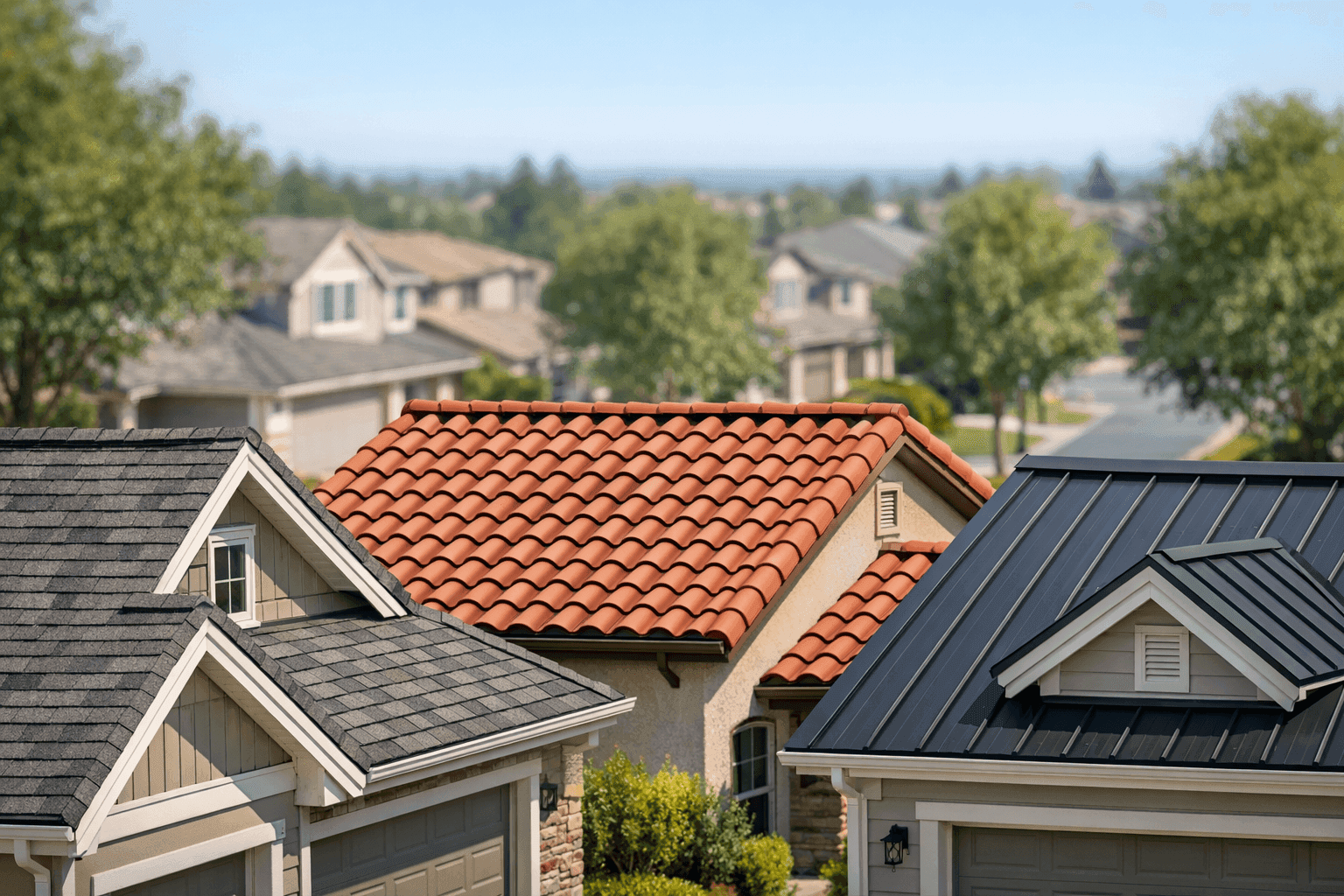
When it comes to your home, the roof is more than just a cap to keep out rain. It’s a shield, a style statement, and a major investment. For homeowners, the choices can seem endless—and the stakes high. At Robert Foley Roofing, we understand the nerves and the questions. You want a roof that lasts, looks good, and won’t wreck your budget.
Whether you’re patching up after a storm or planning a fresh start, knowing your roofing options means fewer surprises and smarter decisions.
Overview of Residential Roofing Types 🏠
Residential roofing isn’t one-size-fits-all. Your home’s style, your climate, and your priorities all play a part. Here’s a look at the most popular options:
- Asphalt Shingles: The classic choice. Affordable, widely available, and easy to repair. Most homes in the U.S. use these.
- Metal Roofing: Sleek and tough. Metal roofs can shrug off hail and shed snow, making them popular in harsh climates.
- Tile Roofing: Clay or concrete tiles add charm and last for decades. They’re heavy—your home’s structure must be up for the job.
- Slate: The Cadillac of roofing materials. Beautiful, natural, and can outlast your mortgage, but it’s pricey and requires skilled installation.
- Wood Shakes and Shingles: Rustic appeal. These offer good insulation but need regular care and can be a fire risk in dry areas.
- Flat Roof Options: For modern homes or additions, flat roofs use materials like TPO, EPDM rubber, or modified bitumen.
Every material brings its own mix of looks, strength, and quirks. The right pick depends on your needs, your home’s bones, and your budget.
Cost Factors and Budgeting Tips
Sticker shock is real. Roofs aren’t cheap, but a good one adds value and peace of mind. Here’s what shapes the price tag:
- Material Costs: Asphalt shingles are the most wallet-friendly. Tile, slate, and metal climb the ladder.
- Labor Intensity: Complicated roofs (steep pitches, lots of valleys, chimneys) cost more to install. If your roofer sounds like they’re describing a jungle gym, expect a higher bill.
- Roof Size: More square footage means more materials and more hours.
- Tear-Off vs. Overlay: Removing old roofing takes time and labor. Sometimes, an overlay is possible, but check local building codes and manufacturer instructions.
- Structural Issues: Rot, sagging decking, or bad flashing all mean extra repairs.
- Location & Permits: Codes and permit fees vary. Always check your local requirements, like those from the International Residential Code (IRC).
- Waste & Miscellaneous: Factor in underlayment, flashing, vents, and disposal fees.
Budget Tip: Get several quotes, and ask what’s included. Watch for hidden costs. A “cheap” roof can get expensive if you’re hit with surprises mid-project.
Comparing Materials and Lifespan
Think of roof materials like shoes: some last longer, some wear out quickly, and some require more care. Here’s a quick breakdown:
- Asphalt Shingles: Expect 15–30 years. Good for most budgets. Warranties vary—read the fine print.
- Metal Roofing: 40–70 years. More up front, but saves on replacements.
- Tile Roofing: 50–100 years. Heavy, but the definition of “set it and forget it.”
- Slate: Up to 150 years. As long-lasting as stone, because it is stone.
- Wood Shakes: 20–40 years with steady maintenance.
- Flat Roofs (TPO, EPDM, Modified Bitumen): 10–25 years, depending on the material and weather exposure.
Climate matters. Sun, hail, hurricanes, and even moss can shorten a roof’s lifespan. Regular inspections and timely repairs help your roof reach its full potential.
Why Professional Installation Matters
A roof is only as good as its installation. Imagine building a sandcastle on a windy beach—if the base isn’t solid, it won’t last long. Roofing is the same way.
- Code Compliance: Professionals know local codes and safety rules, like those set by OSHA and the NRCA (National Roofing Contractors Association).
- Manufacturer Standards: Warranties can vanish if materials aren’t installed to spec.
- Leak Prevention: Flawed flashing or gaps around chimneys and skylights spell trouble.
- Ventilation and Insulation: Bad airflow leads to mold, rot, and higher energy bills.
DIY repairs may seem tempting. But a missed nail or a crooked shingle can mean thousands in water damage. Pros have the tools, training, and experience to get it right the first time—saving you money and stress.
Signs Your Roof Needs Attention
How do you know it’s time to act? Keep an eye out for these warning signs:
- Missing or Curled Shingles: Like missing teeth, they’re hard to ignore.
- Granules in the Gutter: Asphalt shingles lose their grit as they age.
- Sagging Spots: A roof should look flat. Dips signal trouble beneath.
- Water Stains on Ceilings: If you see lines, rings, or peeling paint, your roof could be leaking.
- Daylight Visible in the Attic: If sunlight gets in, so can water.
- Moss or Algae Growth: It looks charming but traps moisture and speeds up decay.
A quick annual inspection—especially after big storms—can catch small issues before they become budget-busting repairs.
What Happens During a Roof Replacement?
Knowing what to expect takes the stress out of big projects. Here’s how a typical roof replacement unfolds:
- Initial Inspection: The contractor assesses your roof and provides a quote.
- Material Selection: You choose your roofing type, color, and features. (Ask for samples—colors look different in daylight.)
- Prep and Tear-Off: Old materials are removed, and the decking is inspected for rot.
- Repairs: Any damaged wood or flashing is replaced.
- Underlayment & Waterproofing: Think of it as the raincoat under your roof.
- New Roof Installation: Shingles, tiles, or panels go on in layers.
- Cleanup: Debris is removed, nails are magnet-swept, and gutters are cleared.
The whole process usually takes a few days, but weather and complexity can extend the timeline.
For more details on how the process works, explore residential roofing services from Robert Foley Roofing.
Choosing the Right Roofing Contractor
Not every roofing company is created equal. When shopping around:
- Check Insurance and Licensing: Protect yourself from liability.
- Review References: Past customers tell the real story.
- Ask About Training: Certified installers are less likely to cut corners.
- Understand the Contract: Get everything in writing—scope, materials, costs, and timeline.
Steer clear of anyone who pressures you to sign fast or pay in full up front.
Prevention and Maintenance: Extend Your Roof’s Life 🛠️
Think of maintenance like brushing your teeth—it keeps problems small and manageable. Here’s what you can do:
- Annual Inspections: Catch loose shingles, split flashing, or blocked gutters.
- Clean Debris: Leaves and branches trap moisture and invite pests.
- Trim Overhanging Branches: Prevents damage from falling limbs and reduces moss growth.
- Clear Gutters and Downspouts: Water needs a clear path off your roof.
- Check Attic Ventilation: Proper airflow prevents ice dams and mold.
A little care goes a long way. Schedule regular checkups, especially before and after storm season.
Roofing for Different Climates
Where you live shapes your roof’s needs. Hot, sunny climates call for materials that reflect UV rays. Cold, snowy areas demand strong supports and materials that shed ice. In hurricane zones, wind resistance is critical.
If you’re in a region with four distinct seasons, choose materials and installation methods proven to handle both summer heat and winter freeze. Building codes often require specific wind ratings and fire resistance—always double-check with your local building department.
Eco-Friendly and Energy-Efficient Roofing
Today’s homeowners want roofs that work smarter. Cool roofs, solar-reflective shingles, and recycled materials are all on the rise.
- Cool Roofs: Light-colored or reflective materials bounce sunlight away, lowering attic temps and AC bills.
- Recycled Shingles: Some asphalt shingles use recycled content, reducing landfill waste.
- Green Roofs: These living roofs support plants, insulate your home, and manage stormwater (ideal for flat roofs).
- Solar Panels: Pairing solar with a new roof can cut energy bills, but coordination is key—it’s easier to install panels during roof replacement.
Ask your contractor about eco-friendly options that fit your climate and budget.
Common Roofing Mistakes to Avoid
It’s easy to fall into traps that shorten your roof’s life or inflate costs:
- Ignoring Small Leaks: Water finds the tiniest gaps and turns them into big headaches.
- Poor Attic Ventilation: Trapped heat and moisture cook your roof from the inside out.
- Improper Flashing: Around chimneys, skylights, and valleys, flashing is your last line of defense.
- Choosing the Cheapest Bid: If it sounds too good to be true, it probably is.
- Neglecting Gutters: Overflowing gutters rot fascia boards and create leaks.
A little vigilance now saves a lot of money later.
When It's an Emergency: Fast Action Matters
After a storm, time is precious. Lightning, wind, or hail can turn a small roof issue into a full-blown crisis overnight.
- Cover leaks with a tarp if safe to do so—never risk your safety.
- Document damage for insurance. Snap photos and keep notes.
- Call a pro for emergency repairs. Fast fixes prevent further interior damage and mold.
If you’re in the area, our dedicated Delaware roofing team is ready for urgent calls—especially after storms or severe weather.
Preparing for Your Roofing Project
A little prep makes the process smoother for everyone:
- Move vehicles away from the house.
- Take down fragile wall art—roofing can cause vibrations.
- Cover belongings in the attic to protect from dust.
- Discuss work hours and access needs with your contractor.
Clear communication helps avoid surprises and keeps your project on track.
Roof Replacement vs. Repair: Making the Right Call
Sometimes a repair will do. Other times, a new roof is the only real fix. Here’s how to tell:
- Age: Roofs nearing the end of their expected lifespan often need replacement.
- Widespread Issues: If over 25% of your roof is damaged, replacement is usually more cost-effective.
- Frequent Leaks: Chronic leaks point to deeper issues.
- Energy Bills Spike: Poor insulation or ventilation can mean your roof is failing.
For a deeper dive into your options, our team details the process and benefits of roof replacement services.
Seasonal Considerations for Roofing Projects 🍂
Spring and fall are prime times for major roofing work. Summer heat can make installation tricky, while winter brings ice and unpredictability.
- Book early—contractors fill up fast during peak seasons.
- Watch the weather. Rain or high winds can delay projects.
- Schedule maintenance before severe weather hits.
Planning ahead means less stress and fewer weather-related delays.
Frequently Asked Questions
How long does a roof replacement take?
Most residential projects wrap up in 2–5 days, depending on size and complexity.
Can I install a new roof over the old one?
Sometimes, but local codes and manufacturer rules apply. Too many layers can void warranties.
What’s the best roof for hail or wind?
Impact-rated shingles and metal roofs often perform best. Check for UL 2218 or FM 4473 ratings.
Do I need to replace gutters too?
If your gutters are old or damaged, replacement is smart. Good drainage protects your new roof.
The Bottom Line
Choosing a new roof—or caring for the one you have—is a big decision. Weigh your options, set a budget, and talk to a trusted professional. The right roof protects your investment, boosts curb appeal, and keeps your family safe for years to come.
Call Robert Foley Roofing now — or reach us anytime at 844-684-1881 .