Roof Ventilation and Insulation: Why They Matter Year-Round
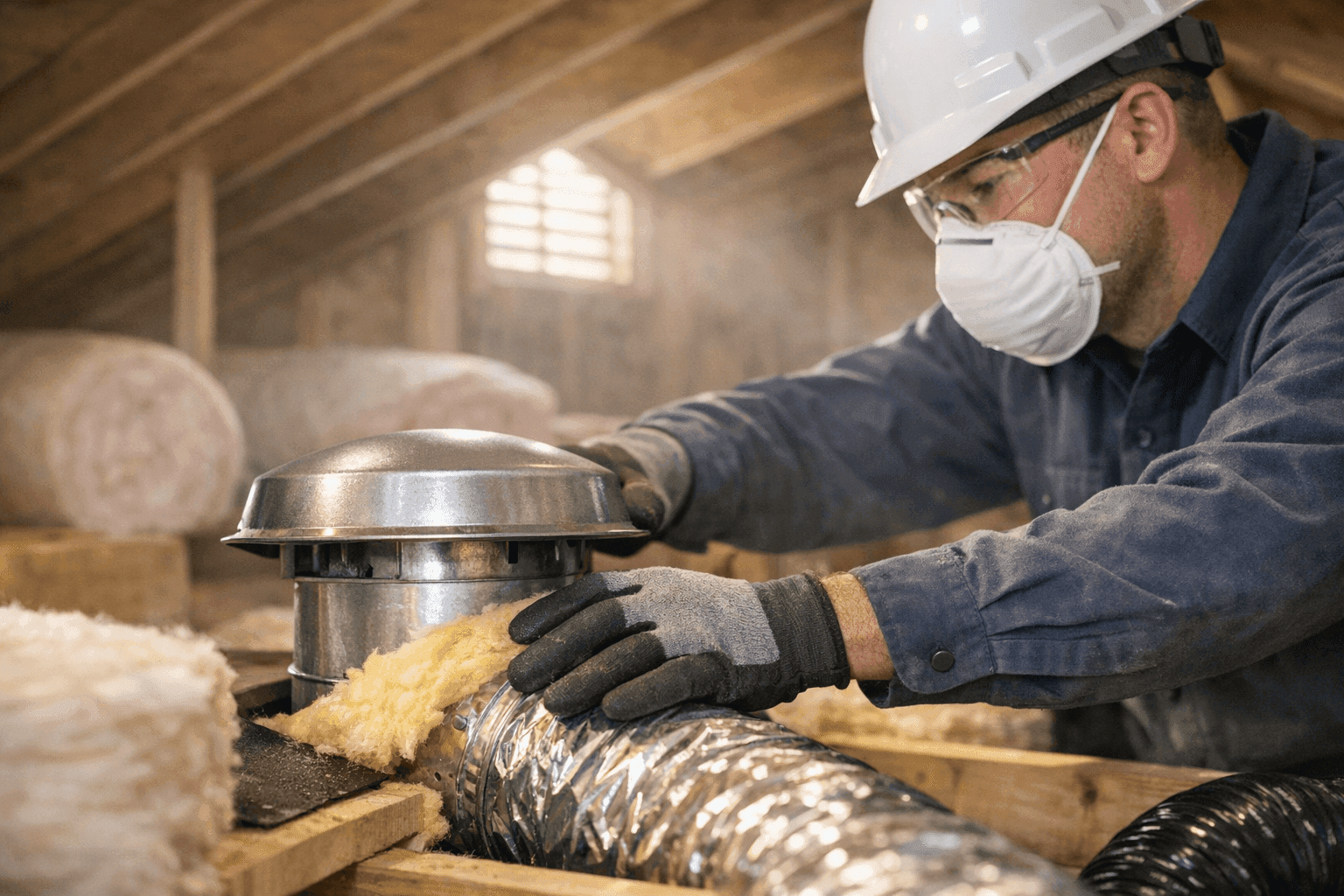
When you picture your roof, you might think of shingles or tiles, maybe even a sturdy deck. But what’s happening beneath the surface matters just as much. Ventilation and insulation are the unsung heroes that keep your home or business dry, comfortable, and efficient—no matter the season.
At Robert Foley Roofing, we’ve seen it all: Ice dams in January. Sweltering attics in July. Leaks that start small but cause big headaches. Let’s break down how proper roof ventilation and insulation make all the difference, year-round.
Why Roof Ventilation Is Essential 🌀
Picture your attic as the lungs of your building. Good airflow lets your entire structure breathe. Without it, stale, moist air gets trapped—inviting mold, rot, and even structural damage.
Key reasons ventilation matters:
- Moisture Control: Warm air rises, carrying moisture from daily activities like cooking and showering. Without an escape route, that moisture settles into rafters and insulation, leading to mold or wood decay.
- Temperature Regulation: In summer, a poorly ventilated roof can bake your attic like an oven. This heat seeps into living spaces and forces your AC to work overtime.
- Prevention of Ice Dams: In cold climates, trapped heat melts snow on the roof. Water runs down, refreezes at the edge, and builds up ice dams—leading to leaks and damage.
According to the International Residential Code (IRC), attic ventilation is not just good practice—it’s often required.
Insulation Types and Benefits
Insulation is your building’s cozy winter coat. It keeps the inside temperature steady, reducing the load on your heating and cooling systems.
Common insulation types:
- Fiberglass Batts: Affordable and easy to install. Works well for most pitched roofs.
- Blown-In Cellulose: Great for filling gaps and hard-to-reach spaces.
- Spray Foam: Seals air leaks and provides high R-value per inch. Ideal for unique roof shapes.
- Rigid Foam Boards: Used in flat roofs and commercial applications.
Benefits of quality insulation:
- Lower Energy Bills: Keeps heat where it belongs, slashing heating and cooling costs.
- Consistent Comfort: No more hot or cold spots inside.
- Sound Dampening: Reduces outside noise—a bonus for busy areas.
Choosing insulation isn’t just about material; it’s also about the right thickness and placement. That’s where professionals make a difference.
Year-Round Energy Savings
Think of ventilation and insulation as teammates. In summer, they block heat from creeping in. In winter, they keep warmth indoors where you want it.
Benefits all year:
- Reduced Utility Bills: The U.S. Department of Energy estimates you can save up to 15% on heating and cooling by air sealing and insulating attics, floors, and crawl spaces.
- Longer Roof Life: Excess heat and moisture can warp decking and crack shingles, shortening roof lifespan.
- Better Indoor Air Quality: Proper airflow helps prevent allergens and pollutants from lingering.
Looking for eco-friendly options? Ask about recycled insulation materials and solar-powered attic fans for a greener approach.
Signs of Poor Ventilation or Insulation 🚩
How do you know if your building’s “lungs” and “coat” need attention? Watch for these warning signs:
- Ice Dams or Icicles: In winter, these often signal trapped heat.
- Hot or Stuffy Attic: In summer, you shouldn’t break a sweat just by poking your head up there.
- High Energy Bills: A sudden spike can mean your insulation or ventilation isn’t working.
- Mold or Mildew Smells: Musty odors are never a good sign.
- Peeling Paint or Staining: Moisture escaping through the roof can damage interior and exterior finishes.
If you spot any of these, consider a professional inspection. Poor insulation and ventilation can lead to expensive repairs if ignored.
The Real-World Scenario: What Happens Without Good Ventilation
Imagine a rainy week. Without ventilation, moisture from the air seeps into your attic—turning insulation into a soggy sponge. Over time, this can rot wood, rust nails, and attract pests. Fast forward to winter: heat escaping through a poorly insulated roof melts rooftop snow, setting you up for leaks and water stains. It’s a domino effect nobody wants.
DIY or Call a Pro?
Some homeowners tackle minor insulation upgrades themselves, like laying new batts over old ones. But mistakes are easy to make. Blocking soffit vents, compressing insulation, or missing hidden leaks can do more harm than good.
For most commercial buildings and complex residential jobs, professional help is key. Roofers know code requirements, spot hidden risks, and bring the right tools for safe, lasting results.
What to Expect When Pros Arrive
When you call Robert Foley Roofing for ventilation and insulation services, here’s what happens:
- Thorough Inspection: We check for blocked vents, gaps, and moisture problems.
- Assessment of Materials: Not all insulation is created equal—some may need replacement or topping up.
- Ventilation Upgrades: If needed, we add or unblock soffit, ridge, or gable vents.
- Seal and Protect: Air leaks are sealed, and insulation is installed to code.
Our team follows OSHA safety standards and the latest building codes for peace of mind.
Quick Safety Checklist for Property Owners
Before climbing into your attic, keep safety top of mind:
- Wear a mask and gloves—old insulation can irritate lungs and skin.
- Use a sturdy ladder and never step between joists.
- Watch for exposed nails or electrical wires.
- If you see mold, large gaps, or suspect animal nests, stop and call a pro.
Preventative Maintenance Tips
A little routine care goes a long way:
- Seasonal checks: Inspect attics before summer and winter. Look for blockages or dampness.
- Clear vents: Make sure soffit and ridge vents aren’t blocked by insulation or debris.
- Upgrade insulation: Consider boosting attic insulation if your home or building is over 20 years old.
- Address leaks fast: Water can ruin insulation and trigger mold in no time.
Preventative maintenance isn’t just for peace of mind—it’s a smart way to protect your investment.
Costs and Time Factors
The cost of improving ventilation and insulation varies. Factors include:
- Size of attic or roof: Larger spaces need more materials.
- Type of insulation: Spray foam is pricier than fiberglass, but may pay off in energy savings.
- Current condition: Upgrading from poor or damaged insulation takes more time and labor.
Most jobs can be completed in one to two days for a typical home, less for small fixes, longer for commercial or complex jobs. Remember, the investment pays dividends through lower energy bills and fewer repairs.
When It's an Emergency
Some warning signs can’t wait:
- Sudden leaks during storms
- Visible mold or mildew
- Sagging ceiling or roof deck
- Persistent musty smell
Delayed action can mean bigger, costlier problems. For urgent needs, we offer emergency services and rapid response. Local teams are available, including those familiar with Roswell’s weather challenges.
Common Mistakes To Avoid
- Covering vents with insulation: This traps moisture and heat.
- Ignoring small leaks: Water damage spreads quickly.
- DIY overreach: Well-meaning fixes can void warranties or make problems worse.
- Skipping regular inspections: Out of sight shouldn’t mean out of mind.
Seasonal Considerations
- Spring and fall: Best times for inspection and upgrades—before extreme weather hits.
- Winter: Watch for ice dams and indoor condensation.
- Summer: Look out for overheating and high AC bills.
Routine checkups keep your roof ready for whatever the season brings.
Materials and Equipment Used
Professional crews use:
- Insulation blowers for cellulose
- Spray foam rigs for tight spaces
- Air baffles to maintain vent openings
- Infrared cameras to spot hidden leaks and cold spots
- Safety gear to protect your home and the team
Choosing the right materials and tools ensures lasting results.
FAQ: Your Roofing Ventilation and Insulation Questions Answered
Q: How often should I check my attic ventilation and insulation?
A: Twice a year—spring and fall—plus after major storms.
Q: Can I add new insulation over old insulation?
A: Usually, yes, as long as the old material is dry and mold-free.
Q: Will better insulation lower my insurance costs?
A: Sometimes. Some insurers offer discounts for energy-efficient upgrades.
Q: Do commercial properties need different solutions?
A: Yes. Flat roofs and large attics require materials and designs suited for higher loads and unique airflow patterns.
Ready for a More Comfortable, Efficient Roof?
Don’t let hidden ventilation or insulation issues ruin your comfort—or your budget. Whether you’re dealing with leaks, rising bills, or just want peace of mind, Robert Foley Roofing is here to help.
Call Robert Foley Roofing now — or reach us anytime at 844-684-1881 .