Roofing and Energy Efficiency: How to Lower Utility Bills
The Real Cost of a Hot Roof
Ever felt your attic turning into a sauna on a sunny day? Or noticed your AC wheezing as it tries to keep up? That’s your roof working against you. Heating and cooling make up nearly half of a building’s energy use, according to the U.S. Department of Energy. When your roof isn’t pulling its weight, your wallet suffers.
At Robert Foley Roofing, we get it: energy bills climb higher every season. But your roof can do more than shelter—it can help you save.
Why Roof Design Impacts Energy Bills
Think of your roof like a hat for your property. The wrong hat on a summer day makes you sweat; the right one keeps you cool. The same principle works for buildings. The color, material, and structure of your roof all shape how much heat gets in—or stays out.
- Dark surfaces soak up the sun, making things hotter inside.
- Poor insulation lets cooled or heated air escape.
- Gaps and leaks act like open windows, wasting energy.
Your roof’s design isn’t just about looks. It’s a frontline defense against energy waste.
What Is a Cool Roof? ☀️
A cool roof reflects more sunlight and absorbs less heat than a standard one. The result? Lower attic temperatures and less work for your AC. These roofs use special reflective materials or light-colored surfaces to bounce solar rays back.
Benefits include:
- Up to 15% lower cooling costs (per EPA studies)
- Longer roof life thanks to reduced heat stress
- More comfortable indoor temperatures
Whether you own a home or run a commercial property, a cool roof can make scorching summers far more manageable.
Reflective Coatings: Small Change, Big Impact
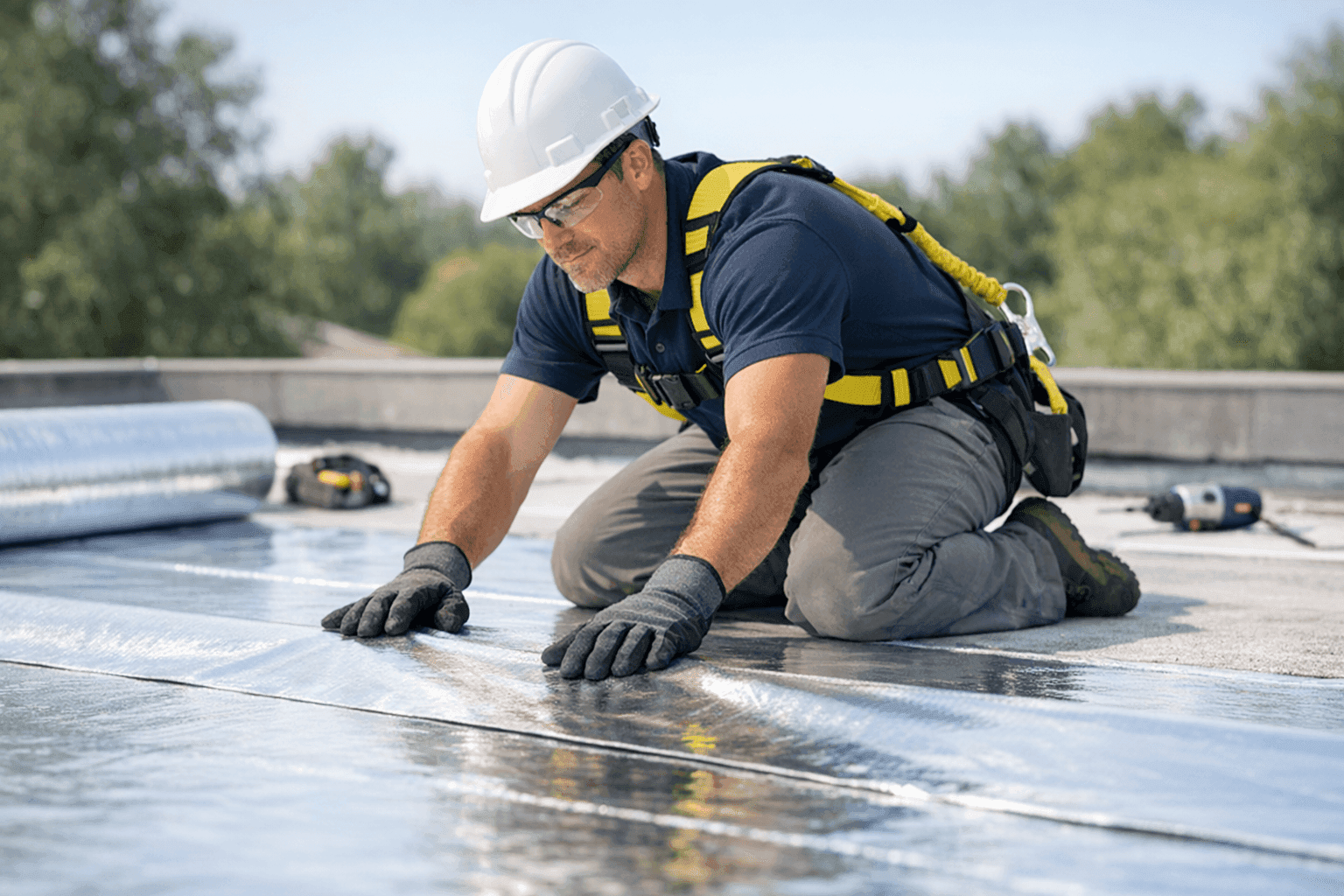
Not ready for a full replacement? Reflective coatings are like sunscreen for your roof. Applied over existing shingles or metal, these coatings reflect UV rays and cut down on heat absorption.
According to Energy Star, reflective coatings can reduce roof surface temperatures by up to 50°F on hot days. That means less heat sneaking into your building—and more control over your energy bills.
Insulation: The Unsung Hero
Insulation acts like a thermos for your house. Too little, and you’ll bleed energy all year long. Good insulation traps cool air in summer and warmth in winter, making temperature control easier and cheaper.
Key areas to check:
- Attics (the #1 spot for energy loss)
- Under decking
- Around skylights and vents
Blown-in fiberglass, foam, or rigid board insulation all have their place. The right choice depends on your roof type and budget. Local building codes, like the International Energy Conservation Code (IECC), set minimum standards—never skimp here.
To see how professional insulation and ventilation upgrades can transform your property, check out our ventilation and insulation services.
Ventilation: Clearing Out the Heat
Imagine your roof as a lung. Without proper ventilation, hot air gets trapped, raising attic temps and stressing your HVAC. Roof vents, ridge vents, and soffit vents work together to keep air moving. This helps prevent moisture buildup, mold, and heat spikes.
For both homes and businesses, well-designed ventilation means longer roof life and lower bills.
Metal Roofing: Modern and Efficient
Metal roofs aren’t just tough—they’re smart. Their natural reflectivity bounces away sunlight, and many come pre-treated with cool roof coatings. Metal also sheds snow and rain fast, reducing moisture risks.
Plus, metal roofing is often made from recycled materials and can be recycled again at end-of-life. That’s good for the planet and your pocket.
Eco-Friendly Options for Every Budget 🌱
You don’t need to break the bank to make energy-saving upgrades. Here are a few options:
- Install a cool roof or apply reflective coating
- Add or upgrade attic insulation
- Switch to energy-efficient skylights or repair leaky ones
- Improve attic ventilation
- Consider metal or tile roofing for longevity and efficiency
At Robert Foley Roofing, we offer a variety of eco-friendly options for both residential and commercial roofs.
Prevention Pays: Maintenance for Energy Savings
Regular roof inspections catch little problems before they drain your wallet. Look for:
- Cracked or missing shingles
- Blocked gutters and downspouts
- Failing sealants around vents and skylights
- Damaged flashing
A well-maintained roof is an energy-efficient roof. Schedule inspections before and after harsh weather to stay ahead of issues.
Seasonal Shifts: Adjusting for Weather
Summer sun and winter snow both test your roof. In hot months, reflective surfaces and good ventilation keep things cool. In winter, insulation prevents heat loss and stops ice dams. Adjusting your roof’s features for the season can make a noticeable difference in your utility bills.
If you’re in the East Lansing area, we’re available for seasonal checks and roof upgrades—see our East Lansing services for more details.
DIY or Call in the Pros?
Some upgrades—like adding weather-stripping or clearing gutters—are manageable for handy homeowners. But for anything involving insulation, ventilation, or structural repair, it’s best to call a licensed roofing contractor. Working at heights has real risks, and code compliance matters.
Always check for:
- Proper safety gear (harnesses, ladders, gloves)
- Local building code requirements
- Manufacturer warranty guidelines
Don’t gamble with your safety or your investment.
What to Expect When Upgrading
Worried about disruption? Most energy-saving upgrades—like coating or insulation—can be done in a day or two. Full roof replacements take longer, but careful planning minimizes mess and downtime.
We always recommend:
- Clearing driveways and protecting landscaping
- Notifying tenants or employees if commercial
- Asking about debris removal and cleanup
Good communication keeps surprises to a minimum.
Frequently Asked Questions
Will a new roof really lower my energy bills?
Yes! According to the U.S. Department of Energy, cool roofs and upgraded insulation can reduce annual energy costs by 10-20% in many buildings.
Are energy-efficient roofs more expensive?
Initial costs can be slightly higher, but the long-term savings on heating and cooling usually pay off fast.
Is there help available for upgrades?
Some regions offer rebates or tax incentives for energy-efficient roofs and insulation. Check with your local utility or energy office.
Common Mistakes That Drain Energy
- Ignoring attic insulation during reroofing
- Forgetting about ventilation upgrades
- Skipping regular inspections and maintenance
- Choosing dark, heat-absorbing roofing materials in sunny climates
These small oversights add up to big bills over time.
Signs Your Roof Needs an Upgrade
If you notice:
- Higher-than-normal energy bills
- Hot or cold spots indoors
- Curling or blistering shingles
- Persistent attic moisture or mold
…it’s time to take a closer look. Early action prevents bigger headaches later.
Final Thoughts: Roofing as an Investment
A well-designed, energy-efficient roof works quietly in the background, saving you money and protecting your comfort. It’s not just a cap on your building—it’s a shield for your budget.
Whether you need a simple upgrade or a full overhaul, energy-smart roofing pays off year after year.
Call Robert Foley Roofing now — or reach us anytime at 844-684-1881 .