Roofing for Businesses: Commercial vs. Residential Needs
Every roof tells a story. For some, it’s the daily hum of a business beneath a broad, flat surface. For others, it’s the comfort of home under a pitched, shingled slope. But whether you’re protecting your company’s future or your family’s peace of mind, the right roofing choice matters—now and for years to come.
At Robert Foley Roofing, we know the stakes. The difference between a quick patch and a lasting fix can mean everything when storms roll in or leaks threaten what’s inside. Let’s break down what sets commercial and residential roofing apart, so you can plan with confidence.
Structural Differences Between Commercial and Residential Roofs 🏢🏠
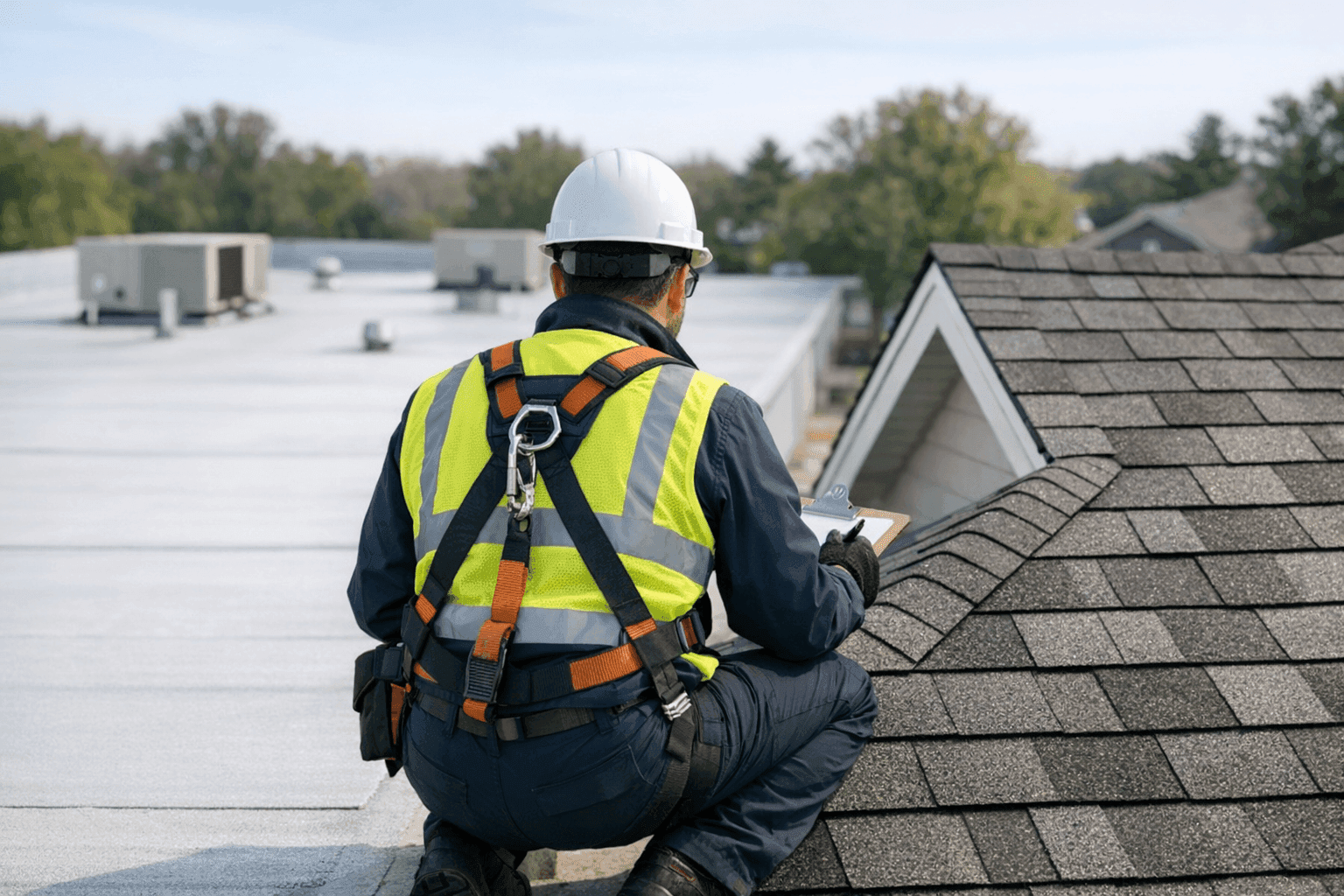
Walk past a row of shops, then through a neighborhood. You’ll notice it right away. Commercial buildings often feature flat or low-slope roofs, stretching wide like a parking lot in the sky. These roofs are designed to handle heavy HVAC units, foot traffic for maintenance, and sometimes even solar panels.
Residential roofs, on the other hand, usually slope. They’re built to shed water quickly, channel snow, and add curb appeal. Underneath, the support structure varies too. Commercial roofs rely on steel or concrete decks, while homes use wood trusses and rafters.
- Commercial Roofs: Large surface area, flat/low-slope, strong support for heavy equipment.
- Residential Roofs: Sloped, smaller, built for quick water runoff and insulation.
Building codes set by the International Building Code (IBC) and International Residential Code (IRC) guide these differences. Before making changes, always check your local requirements.
Material and Design Considerations
The materials you choose shape your roof’s future. For businesses, durability and efficiency top the list. Single-ply membranes like TPO, EPDM, or PVC are common—think of them as tough raincoats, sealing out weather with minimal seams. Metal panels and built-up roofing are also popular for their longevity.
Homes lean toward asphalt shingles, wood shakes, or even clay tiles. Each option brings its own look and lifespan. Shingles are affordable and easy to install, while tile and metal offer decades of low-maintenance protection.
- Commercial: TPO, EPDM, PVC, metal, built-up roofing.
- Residential: Asphalt shingles, wood, slate, metal, tile.
Design isn’t just about looks. Ventilation, insulation, and drainage all play a part. For example, flat roofs need careful drainage planning to avoid ponding water—a leading cause of leaks.
Maintenance and Repair Needs
A roof is only as good as its upkeep. Commercial properties often require scheduled inspections to catch trouble early. Flat roofs are prone to pooling water, membrane punctures, and flashing failures. A clogged drain can send water where it shouldn’t go, risking costly repairs.
Homeowners face their own challenges. Missing shingles, ice dams, and clogged gutters are common culprits. Regular cleaning and quick attention to leaks keep small issues from becoming big headaches.
- Commercial: Inspect after storms, check seals and drains, clear debris.
- Residential: Clean gutters, spot cracked or missing shingles, watch for attic leaks.
The National Roofing Contractors Association (NRCA) recommends at least two inspections per year—spring and fall are ideal.
Unique Challenges for Each Property Type
No two roofs are quite the same. Businesses have to think about code compliance, energy efficiency, and keeping operations running during repairs. Residential roofs must stand up to the local climate, from heavy snow to high winds.
Flat commercial roofs can hide leaks for months, only revealing damage when it’s widespread. Steep residential roofs are safer from standing water, but more vulnerable to wind-driven shingle loss.
Choosing the Right Contractor
Not all roofers are equipped for both worlds. Commercial jobs require specialized tools, safety protocols, and experience with large-scale systems. Residential work calls for a keen eye for detail and knowledge of home construction.
When evaluating contractors, ask about their experience with your roof type. Are they familiar with local codes? Do they offer eco-friendly options or energy-saving upgrades? A good contractor will walk you through the process, explain your choices, and provide clear estimates.
For businesses seeking tailored commercial roofing services, it’s important to partner with a team that understands everything from decking to storm damage restoration.
Costs and Time Factors
Budgeting for a new roof can feel like navigating a maze. Commercial roofs cost more per square foot, simply because they’re bigger and use specialized materials. The timeline is longer too, especially if weather or building access slows things down.
Residential roofs are typically finished faster. Materials are easier to source, and installation is less disruptive. But even at home, surprises can pop up—hidden rot, structural repairs, or unexpected code updates.
Emergency Situations: What to Do When Trouble Strikes 🚨
Storms don’t check your schedule. When leaks or damage hit, fast action makes all the difference. For businesses, a roof failure can halt operations, risking inventory and safety. Homeowners might face water damage, mold, or ruined insulation.
If you spot a leak, clear the area below and call for help. Don’t climb up yourself—wet roofs are slippery and dangerous. Document the damage for insurance, then let professionals assess the next steps.
In urgent cases, local support is available for roofing services in Bethlehem, ensuring help is close when you need it most.
Prevention & Maintenance: Staying Ahead of Trouble
An ounce of prevention is worth a pound of repair. Schedule routine inspections, especially after severe weather. Keep gutters and downspouts clear—clogged drainage is a leading cause of water damage.
For commercial properties, consider a maintenance contract. This puts regular checkups on autopilot, reducing surprises and extending your roof’s life. Homeowners should check attic spaces for signs of moisture, and trim back overhanging branches that can damage shingles.
Seasonal Considerations
Roofs face different threats as the seasons change. Spring brings heavy rain, summer bakes materials, fall drops leaves into gutters, and winter piles on snow and ice.
- Spring: Inspect for storm damage, clear debris.
- Summer: Check for UV wear, inspect seals.
- Fall: Clean gutters, inspect flashing.
- Winter: Watch for ice dams, remove heavy snow.
A seasonal checklist keeps your roof ready for anything.
Common Mistakes to Avoid
- Ignoring small leaks—water always finds a way in.
- Skipping regular inspections.
- Choosing the cheapest materials or contractor.
- Delaying repairs, hoping problems will disappear.
A little attention now saves big headaches later.
Signs of Trouble: When to Act
Some warning signs are easy to spot:
- Water stains on ceilings or walls
- Missing, curled, or cracked shingles
- Sagging roof lines
- Mold, moss, or algae growth
- Unexplained spikes in energy bills
When you see these, it’s time to call in the pros.
DIY vs. Professional Help
Some tasks, like clearing gutters or spotting loose shingles, are safe for homeowners. But most repairs—especially on commercial roofs—require specialized skills and safety equipment.
If you’re ever in doubt, don’t risk it. Falls are a leading cause of injury in construction, according to OSHA. Leave complex work to qualified contractors.
What Pros Do on Arrival
A professional roofer starts with a thorough inspection. They’ll check for visible damage, test seals, and look for hidden leaks. On commercial jobs, they may use infrared scans to spot trapped moisture.
Expect clear communication about what they find and what comes next. Good roofers explain your options, from quick repairs to full replacement.
Timeline & Disruption: What to Expect
Roof work can be noisy and disruptive. Commercial jobs may require staging areas, safety barriers, and off-hours work to minimize business impact. Residential projects are usually less intrusive, but still involve some noise and mess.
Ask your contractor for a timeline and what you can do to prepare. Moving vehicles, securing pets, and covering valuables are simple steps that make the process smoother.
Eco-Friendly Options
Both commercial and residential roofs can go green. Cool roofs reflect sunlight, lowering energy bills. Solar panels, green roofs, and recycled materials are increasingly popular.
Ask your roofer about sustainable choices that fit your needs and budget. These upgrades can boost property value and reduce your environmental footprint.
Inspections: How Often and Why
Annual inspections are a must. Twice a year is better—once before winter, once after. This catches small problems before they grow. For businesses, inspections may be required by insurance or lease agreements.
A professional will look at the whole system: surface, flashing, seals, drainage, and insulation. They’ll give you a report with recommendations, so you can plan repairs or replacements.
Preparing for Service
Before the crew arrives, clear the area around your building or home. Move vehicles, secure outdoor furniture, and let neighbors or tenants know about the work. This helps the job start on time and keeps everyone safe.
If you have questions about what to expect from residential roofing services, your contractor should walk you through the process step by step.
Final Thoughts
Whether you’re running a business or caring for your home, your roof deserves attention. Understanding the differences between commercial and residential roofing helps you make smart choices—protecting what matters most.
Call Robert Foley Roofing now — or reach us anytime at 844-684-1881 .