Roofing for Energy Efficiency: Insulation, Cool Roofs, and Upgrades
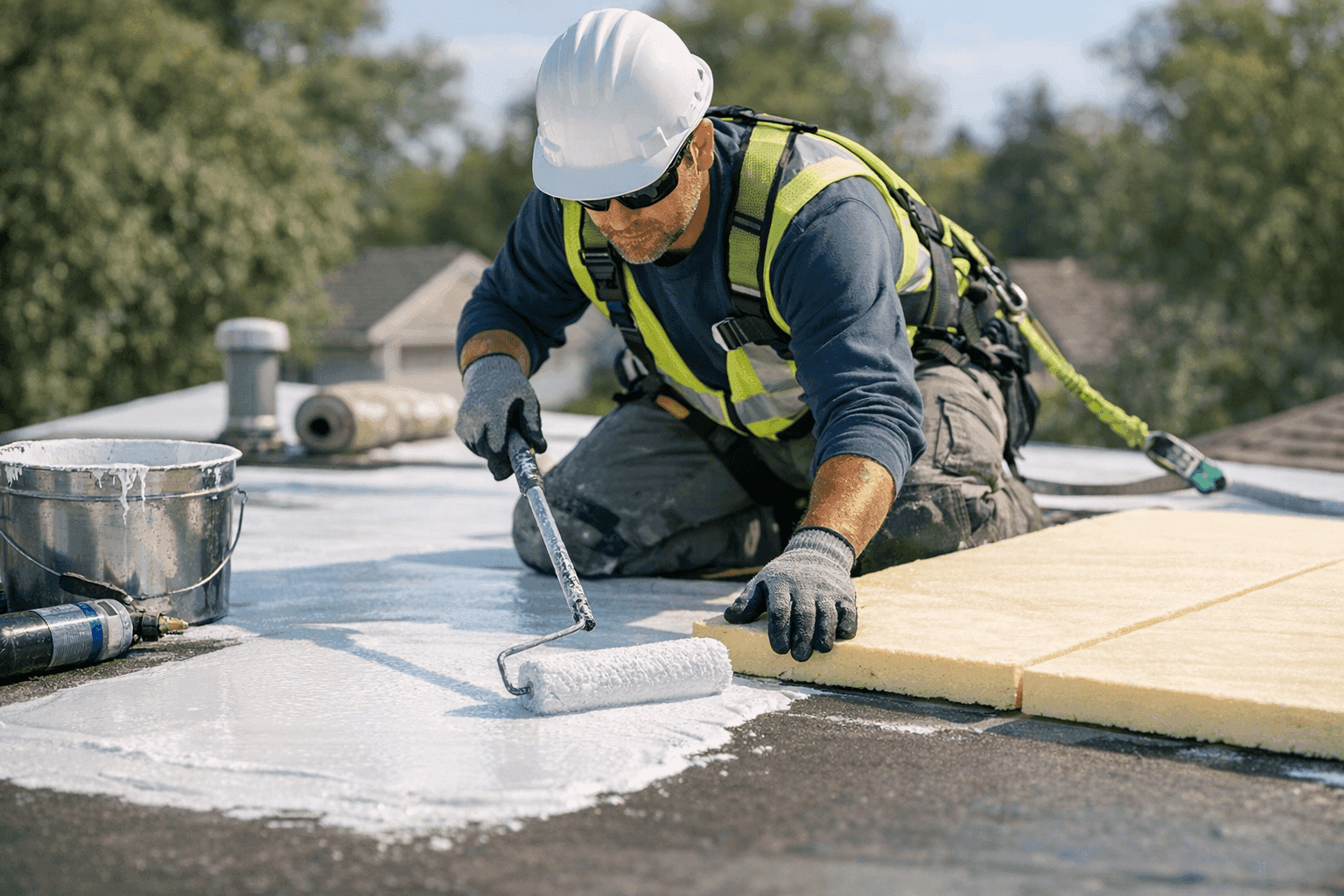
It’s a familiar feeling—a hot attic in summer, chilly corners in winter, and energy bills that always seem to climb. Whether you own a home or manage a commercial space, the roof overhead could be the silent culprit. Good news: small changes up top can make a big difference below.
At Robert Foley Roofing, we see every day how smart roofing upgrades deliver long-term comfort, lower costs, and peace of mind. Let’s break down what energy efficiency in roofing really means, how to get it, and why it matters.
Why Energy Efficiency Matters in Roofing 🌞
Think of your roof as the lid on a pot. If it’s thin or full of cracks, heat escapes in winter and pours in during summer. That means your HVAC system works overtime, and you pay for it. Energy-efficient roofing helps lock in comfort and keeps utility bills in check.
- Lower costs over time—less wasted heating and cooling.
- Improved comfort with steadier indoor temperatures.
- Smaller carbon footprint from reduced energy use.
- Boosted property value—buyers notice energy ratings.
According to the U.S. Department of Energy, nearly one-third of a building’s energy loss happens through the roof. That’s not just money out the window—it’s comfort, too.
Types of Energy Efficient Roofs and Upgrades
No two buildings are the same. Your roofing needs depend on whether you have a historic home, a modern business, or something in between. Here are key options for making any roof work smarter:
- Cool roofs: Designed to reflect sunlight and absorb less heat, using light-colored materials or special coatings.
- Metal roofing: Highly reflective, long-lasting, and often made from recycled content.
- Tile roofs: Natural insulators that help regulate attic temperatures.
- Flat roofs: Perfect for coatings and reflective membranes.
- Insulation upgrades: Adding or replacing insulation boosts any roof’s performance.
Sometimes, a simple ventilation and insulation upgrade can transform your space, especially in older buildings that lack modern materials.
Insulation and Cool Roof Coatings
Insulation is like wrapping your property in a warm blanket. It slows the movement of heat, keeping interiors cooler in summer and warmer in winter. But insulation alone isn’t always enough. Enter cool roof coatings.
- Spray or roll-on cool roof coatings reflect sunlight, reducing roof surface temperatures by up to 50°F.
- Sealants and coatings stop air leaks and moisture intrusion, preventing rot and mold.
- Proper attic ventilation ensures insulation works efficiently, reducing the risk of ice dams in winter or overheated attics in summer.
Choose insulation with a high R-value for your climate—a measure of how well it resists heat flow. The International Energy Conservation Code (IECC) publishes recommended R-values by region; these guidelines help meet code and maximize energy savings.
Practical Tips
- Check for gaps, old insulation, or compressed spots—these are weak links.
- Schedule a professional inspection every few years.
- Ask about eco-friendly insulation options, like cellulose or recycled denim.
Measuring ROI and Savings
Every dollar spent on energy-efficient roofing should return value over time. But how do you know the savings are real?
The Payback Equation
- Upfront cost: Energy-efficient materials and labor can cost more at installation.
- Ongoing savings: Lower monthly utility bills add up, often offsetting initial expenses within 5-8 years (sometimes sooner).
- Tax credits and rebates: Federal, state, or local programs may provide incentives for eco upgrades.
- Longer lifespan: High-quality insulation and coatings can extend your roof’s life, further protecting your investment.
A cool roof can reduce annual air conditioning demand by 10–30%, according to ENERGY STAR. For commercial properties, the savings can be even higher.
Common Signs Your Roof Needs an Upgrade
Worried your roof might be letting energy slip away? Watch for:
- Hot or cold spots indoors
- Rising heating or cooling bills
- Ice dams or condensation in attic spaces
- Visible roof wear—cracked, curled, or missing shingles
- Frequent HVAC cycling
If you notice these signs, it’s time to consider an energy-efficient solution.
Quick Safety and Code Checklist 🛠️
Before beginning any roofing project, safety and compliance come first.
- Always check local building codes for insulation requirements.
- Ensure proper fall protection and safety gear is used.
- Confirm that all products meet ASTM and UL standards.
- Hire licensed professionals for installation—incorrect work can void warranties and fail inspections.
DIY Upgrades vs. Professional Roofing
Some maintenance—like clearing gutters or checking attic insulation—can be DIY. But full-scale energy-efficient roofing upgrades require specialized skills, tools, and safety training.
- Pros: Deep knowledge of materials, code, and safety.
- Homeowners: Best for basic upkeep, not major upgrades.
If you’re unsure, schedule a professional inspection. What looks like a small leak or a bit of missing insulation could hide bigger problems.
Seasonal Considerations
Energy-efficient roofing isn’t just a summer project. Each season brings different challenges:
- Spring: Check for winter damage and repair insulation.
- Summer: Apply cool roof coatings before peak heat.
- Fall: Clean gutters, inspect attic vents, and reinforce insulation.
- Winter: Watch for ice dams or condensation—signs of poor airflow or insulation gaps.
If you’re scheduling upgrades for a commercial or large residential property, local availability may vary. For example, we coordinate closely with our Knoxville area team to ensure timely seasonal service.
What to Expect During an Upgrade
Energy-efficient roofing upgrades follow a clear path:
- Initial inspection—identifying energy leaks and trouble spots.
- Material selection—choosing insulation, coatings, or reflective roofing.
- Preparation—clearing debris, repairing surfaces, and setting up safety measures.
- Installation—properly layering materials to maximize efficiency.
- Final walkthrough—testing ventilation, checking seals, and reviewing warranty info.
Most residential upgrades take a day or two. Larger commercial jobs may require a week or more.
Frequently Asked Questions
How long do cool roof coatings last?
Typically 10–15 years, depending on product and weather.
Can you add insulation to an existing roof?
Yes, in most cases—especially attics and flat roofs.
Do energy-efficient roofs look different?
Not always. Many upgrades are invisible from the street.
Mistakes to Avoid
- Skimping on insulation or choosing a low R-value.
- Ignoring proper ventilation—airflow is as important as insulation.
- Using non-certified products that don’t meet code.
- Overlooking gutters and downspouts; water intrusion can destroy insulation.
Prevention and Maintenance Tips
- Inspect your attic and roof every spring and fall.
- Use gutter guards to prevent clogs and water backup.
- Reapply roof coatings as recommended by the manufacturer.
- Call a professional for annual roof and insulation checks.
Timeline & Disruption
Upgrades can be surprisingly quick—often completed in one to three days for homes. For businesses, scheduling work during off-hours or slower seasons can minimize disruption.
Materials and Equipment
The right tools make all the difference:
- High R-value insulation (cellulose, spray foam, fiberglass)
- Reflective cool roof coatings
- Quality sealants for joints and flashing
- Adequate safety gear
We use only products that meet industry standards for durability, safety, and energy efficiency.
When It's an Emergency
Leaks, sudden storm damage, or ice dams can turn energy loss into a real emergency. Fast action keeps problems from getting worse—and protects your building from costly repairs. If you’re facing urgent issues, local support is available through our Knoxville team and beyond.
The Robert Foley Roofing Approach
We believe in honest advice, clear communication, and solutions tailored to your building. Every upgrade—whether it’s a new roof, insulation, or a simple cool roof coating—is about maximizing comfort, savings, and peace of mind for years to come.
Ready to make your roof work harder for your home or business? We’re here for you.
Call Robert Foley Roofing now — or reach us anytime at 844-684-1881 .