Roofing for Energy Savings: How to Lower Utility Bills
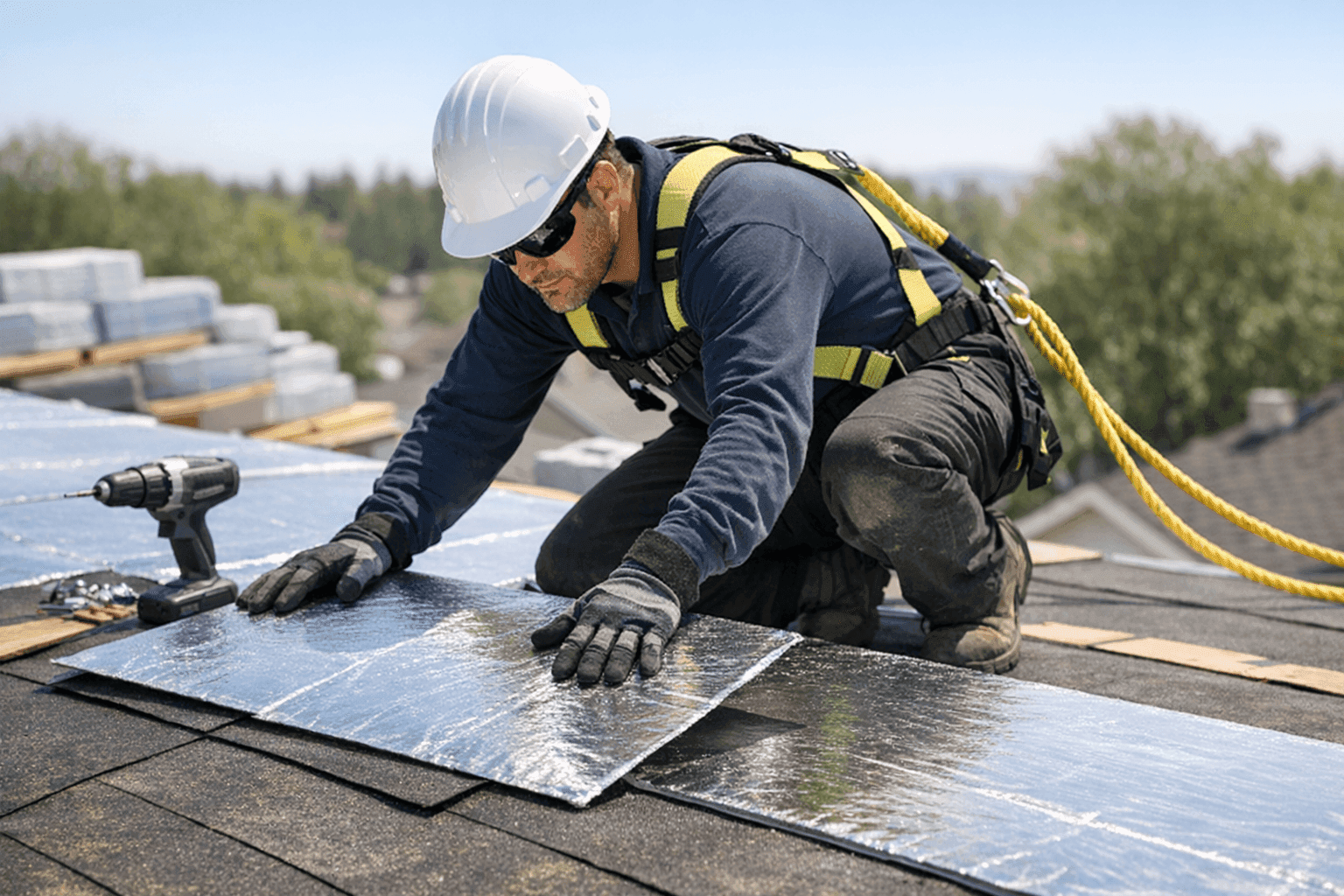
Is your energy bill creeping higher every season? You’re not alone. Many property owners—home and business alike—are surprised to learn just how much their roofing impacts those monthly numbers. A roof isn’t just a hat for your building. It’s a shield, an insulator, and when done right, a powerful tool for saving money and keeping life comfortable inside.
Let’s break down the practical ways roofing choices can shrink your utility bills. No fluff. Just smart strategies you can use, whether you’re tackling a leaky flat roof or planning a new build.
How Roofing Impacts Energy Usage 🏡
Think of your roof as the lid on a pot. If it’s thin, cracked, or doesn’t fit snugly, heat escapes in winter and pours in during summer. The result? Your HVAC system works overtime.
Roofs that are poorly insulated, aged, or made from heat-absorbing materials can turn your attic into an oven or a freezer. According to the U.S. Department of Energy, nearly 25% of a building’s heat loss happens through the roof. That’s a quarter of your heating or cooling just floating away!
Key ways roofing affects energy use:
- Insulation gaps: Thin or old insulation lets energy slip through.
- Dark, heat-absorbing materials: Some shingles and tiles soak up sunlight, cranking up your cooling costs.
- Leaks or moisture: Water intrusion ruins insulation, reducing its effectiveness.
- Poor ventilation: Trapped hot air cooks your attic, pushing AC units to their limits.
If your energy bills spike with the seasons, your roof could be the culprit.
Upgrades for Maximum Efficiency
Want to stop pouring money through the ceiling? Start with these upgrades:
1. Boost Insulation
Insulation acts like a thermal blanket. It keeps warmth in during winter and blocks heat during summer. Consider spray foam, fiberglass batts, or blown-in cellulose—each has pros and cons. Check your local building codes for recommended R-values.
2. Improve Ventilation
Proper airflow whisks away heat and moisture. Ridge vents, soffit vents, and attic fans work together to keep temperatures steady and prevent mold. This not only saves energy but also extends your roof’s life.
Curious how this works for your property? Explore our ventilation and insulation services for tailored solutions.
3. Apply Reflective Coatings
Cool roof coatings reflect sunlight rather than absorb it. This simple upgrade can lower rooftop temperatures by up to 50°F (according to ENERGY STAR). Less heat above means less AC strain below.
4. Seal Cracks and Gaps
Air leaks sap energy fast. High-quality sealants around skylights, chimneys, and flashing keep outside air where it belongs.
5. Choose Lighter Colors
Light-colored shingles and metal roofs bounce sunlight away. Even a color swap can yield real savings.
Comparing Roofing Materials for Savings
Not all roofs are created equal. Here’s how popular choices stack up for energy savings:
- Metal Roofing: Reflects solar energy well, especially when painted white or light gray. Lightweight and long-lasting.
- Tile Roofing: Clay and concrete tiles let air circulate beneath, improving insulation and keeping things cooler.
- Asphalt Shingles: Affordable, but basic types tend to absorb more heat. Look for “cool shingle” varieties certified by ENERGY STAR.
- Flat Roofs with Membranes: White TPO or PVC membranes deflect sunlight and work well for commercial buildings.
Pro tip: When considering new construction or replacing your roof, factor in not just upfront cost, but also expected energy savings over time. A more expensive, energy-smart material might pay you back year after year.
Professional Energy Assessments
A visual check is a good start, but a professional assessment goes deeper. Trained roofers spot insulation gaps, pinpoint leaks, and use infrared cameras to map out heat loss—like detectives on a mission.
What happens during an assessment?
- Inspect attic and roof deck for moisture or thin spots
- Measure insulation depth and coverage
- Check for proper ventilation and airflow
- Scan for missing or failing flashing
- Recommend practical upgrades tailored to your building
These steps are based on best practices from organizations like the National Roofing Contractors Association (NRCA) and local building codes.
Quick Safety Checklist
Before you clamber onto the roof or attic, safety first:
- Wear sturdy shoes with grip
- Use a safety harness if working on steep slopes
- Beware of loose decking or hidden water damage
- Watch for exposed nails and sharp flashing
If you’re unsure, call in a pro. No cost savings is worth a broken ankle.
DIY vs. Call a Pro
Some upgrades—like adding weatherstripping or replacing a few shingles—are DIY-friendly. But when it comes to insulation, major ventilation changes, or roof coatings, experience matters.
Pros bring the right tools, materials, and know-how. They also catch issues you might miss—like hidden mold or structural weakness.
Prevention & Maintenance
Routine roof care keeps energy bills in check:
- Schedule annual inspections (spring and fall are best)
- Keep gutters clean to prevent water damage
- Watch for cracked, curling, or missing shingles
- Trim back branches that shade or damage your roof
Catch small issues early, and you’ll avoid costly repairs down the line.
Costs & Time Factors
How much will these upgrades set you back? It varies. Insulation might run a few hundred to a couple thousand dollars, depending on size and material. Reflective coatings and ventilation fixes are usually quick jobs with fast payback in energy savings.
A full roof replacement? That’s a bigger investment, but one that often slashes long-term utility costs and increases property value.
When It’s an Emergency
Sudden leaks, storm damage, or ice dams can wreck insulation and spike your energy bills overnight. In urgent cases, local teams can respond fast—even in tough weather. For example, if you’re in central Wisconsin, you’ll find practical support and timely service in Wausau's dedicated roofing teams.
Seasonal Considerations
Summer heat waves and winter deep freezes both test your roof’s mettle. Here’s how to prep:
- After heavy snow, check for ice dams or leaks
- Before summer, inspect for loose or missing shingles
- Upgrade attic insulation before temperatures swing
Plan work during mild months when possible for easier scheduling and less disruption.
Common Mistakes to Avoid
- Skipping insulation to save money up front
- Ignoring tiny leaks (“It’s just a drip!”) until it ruins your attic
- Overlooking the role of gutters and downspouts in keeping your roof dry and healthy
- Forgetting that even flat roofs need reflective coatings to beat the heat
Signs of Trouble
Watch for:
- Random cold or hot spots in your home
- Sudden spikes in utility bills without a clear cause
- Moldy smells or visible stains around the attic
- Curling, dark, or missing shingles
Spot these early, and you’ll avoid bigger headaches.
Timeline & Disruption
Most insulation and coating jobs take just a day or two, with minimal mess. Full roof replacements, especially for larger homes or commercial sites, can take a week or more. Quality teams will keep you informed every step of the way.
Materials & Equipment
Pros use:
- Infrared scanners for heat loss
- High-R sealants for weatherproofing
- Cool roof coatings certified by ENERGY STAR
- Professional grade insulation—spray foam, fiberglass, or cellulose
When you’re ready for serious upgrades, look for brands and materials backed by third-party testing and certifications.
Eco-Friendly Roofing Options
Eco-friendly doesn’t just mean green for the planet—it means green in your wallet, too. Solar-ready metal roofs, cool membranes, and recycled-content shingles all reduce energy use.
Read more about sustainable choices and how they fit your property by visiting our eco-friendly options page.
Final Thoughts
Lowering your utility bills doesn’t have to be complicated. The right roof, smart upgrades, and a bit of maintenance go a long way. Whether you’re looking for decking near you, a new skylight, or a full energy assessment, Robert Foley Roofing is here to help.
Call Robert Foley Roofing now — or reach us anytime at 844-684-1881 .