Roofing for Home Offices: Noise Reduction and Energy Efficiency
Working from home should mean focus, productivity, and comfort. But when your office sits just under the roof, noise and temperature swings can turn a workday into a series of distractions. At Robert Foley Roofing, we know the roof over your head shapes your home office life—sometimes more than the desk or chair beneath it.
Remote work isn't just a trend; it's a new normal. If your workspace is plagued by drip noises, echoes, or feels more like a greenhouse in summer, it’s time to take a closer look at your roofing. The right upgrades can transform your home office into a peaceful, energy-smart retreat.
How Roofing Affects Home Office Comfort
Imagine a meeting interrupted by the relentless tapping of rain or the whir of a neighbor’s lawnmower. Roofs aren’t just shields against the elements—they’re the first line of defense against unwanted noise and uncomfortable temperatures.
A poorly insulated or aging roof lets in more than water. It can funnel outside sounds straight into your workspace, amplify heat in summer, and leak warmth in winter. Comfort starts above your head, and the right roofing choices can make or break your daily routine.
The Sound Barrier: Why Noise Matters in Home Offices 🛑
Ever tried to focus with thunder rolling overhead or squirrels scurrying above? Even minor noises can break concentration. The roof acts like the lid of a drum—thin, worn materials vibrate and echo, letting every outside sound in. Good roofing can muffle traffic, hail, and other distractions, setting the tone for a productive day.
Materials and Insulation for Noise Reduction
Not all roofing is built the same. Some materials absorb sound, while others bounce it around like a racquetball court.
- Asphalt shingles: Affordable and decent at dampening noise, but not the best for high-traffic areas.
- Tile roofing: Dense and heavy, tile absorbs more sound—perfect for homes near busy roads.
- Metal roofing: Modern metal roofs often come with built-in noise barriers, but older ones can be loud in storms unless paired with quality insulation.
- Composite and eco-friendly options: Many newer materials blend sustainability with strong soundproofing.
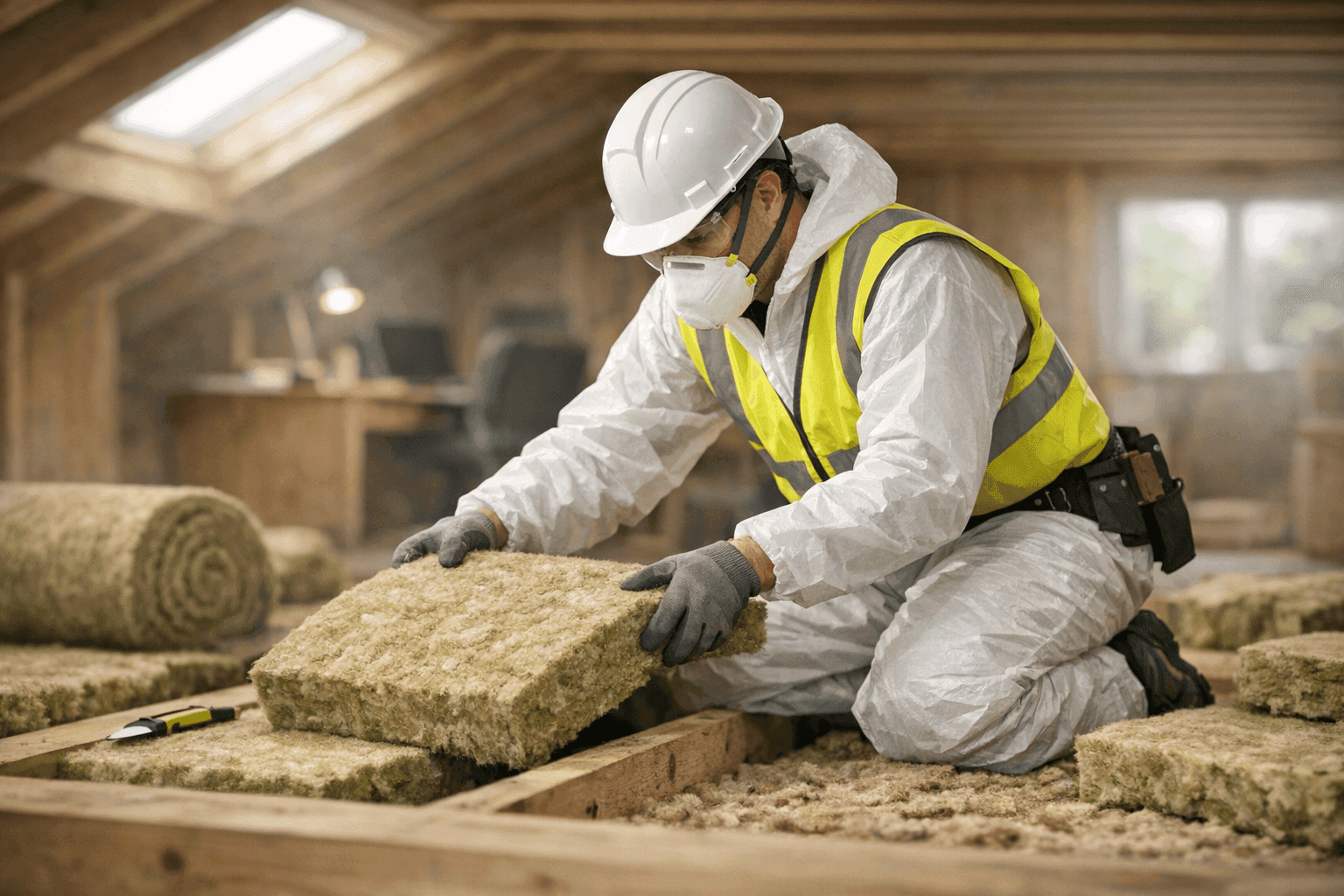
But the real secret weapon? Insulation. A thick blanket of attic insulation, especially when combined with smart ventilation and insulation upgrades, acts as a silencer between your workspace and the world outside. Think of it as noise-canceling headphones for your whole office.
Energy Efficiency Upgrades: Comfort Without High Bills
A roof does more than keep the rain out; it’s your home’s main gatekeeper for heat and cold. If your office is sweltering by noon or freezing by morning, energy is leaking through the roof.
Smart upgrades cut those leaks:
- Radiant barriers: Reflect heat away in summer.
- High-R-value insulation: Keeps warmth inside during winter, cool air in during summer.
- Cool roofing materials: Reflect sunlight, lowering attic temps and utility bills.
- Sealed skylights and flashing: Block air leaks at common trouble spots.
Don’t overlook eco-friendly options. Many green roofing products use recycled content and offer better insulation, so you save money and shrink your footprint at the same time.
Quick Safety Checklist Before Upgrading
Before tackling any roof work, safety comes first:
- Check for loose shingles or tiles from the ground.
- Never climb onto a wet or icy roof.
- Watch for sagging areas—these can signal deeper structural issues.
- Review local building codes or consult OSHA safety standards if you’re considering DIY.
If in doubt, it’s smart to call in a pro. Falls and injuries are all too common for homeowners on ladders.
DIY vs. Calling in the Pros
Some fixes are safe for handy homeowners—like sealing attic leaks or adding insulation rolls. But anything involving the roof deck, flashing, or major repairs should be left to professionals. Improper repairs can void warranties or even cause hidden leaks.
If you’re unsure, a professional inspection can pinpoint the source of noise or energy loss quickly. Sometimes all it takes is a short visit to set you on the right path.
What Roofers Do When They Arrive
When we arrive for a home office consult, here’s our checklist:
- Inspect the attic for insulation gaps and moisture.
- Check for air leaks around skylights, chimneys, and vents.
- Assess the roof surface for aging, cracks, or storm damage.
- Review ventilation to make sure air is flowing—critical for both comfort and roof life.
- Recommend repairs or upgrades based on findings.
Every project is different. Sometimes a small leak is the culprit; other times, inadequate insulation is the main issue.
Preventative Maintenance: Avoid Surprises
Routine checks can save you from sudden leaks or noise problems. Schedule seasonal inspections—especially after major storms. Clean gutters, check for missing shingles, and make sure your attic insulation hasn’t shifted.
Preventative maintenance is like regular oil changes for your car. It keeps everything running smoothly and helps you spot small issues before they become big, costly headaches.
Cost and Time Factors: What to Expect
Roofing work can feel like a big investment, but the payoff is long-term comfort and lower bills. Costs depend on material, home size, and how much insulation is needed. Some noise-reducing upgrades are simple and quick—others, like full deck replacement, take more planning.
Most insulation or attic ventilation improvements can be done in a day or two. Full roof replacements or major repairs may take longer but deliver decades of peace and efficiency.
When It’s an Emergency 🕒
A sudden leak or storm damage warrants immediate attention. If water is dripping or pouring in, clear your workspace and call for help. Quick action reduces the risk of damage to electronics or important documents.
For residents needing rapid support after a storm or urgent repairs, information for local availability in McLean is always up to date.
Seasonal Considerations: Timing Your Project
Roofing projects are best scheduled during dry, mild weather. Spring and fall usually offer ideal conditions—less risk of rain delays, safer for crews, and better results for insulation and sealants.
Winter work is possible but comes with added risks and sometimes higher costs. Plan ahead to avoid peak demand during storm seasons or heatwaves.
Common Mistakes to Avoid
- Skimping on insulation to save money—this leads to higher bills and less comfort.
- Ignoring attic ventilation—trapped air can bake your office or cause mold.
- Overlooking small leaks—tiny drips often hide larger issues.
A little attention now prevents big headaches later.
Signs Your Home Office Roof Needs Attention
- Persistent outside noise, even with windows closed.
- Uneven temperatures—cold in the morning, stifling by afternoon.
- Odd smells or visible water stains on ceilings.
- Spikes in energy bills without a clear reason.
If you spot any of these, it’s time for an inspection.
Planning a Home Office Roof Project
Start by listing your biggest frustrations—noise, draftiness, temperature swings. Share these with your roofing contractor. Ask about material options, insulation upgrades, and how each change will impact your daily comfort.
Check for any required permits or local code considerations. Reliable resources like the National Roofing Contractors Association (NRCA) and local building departments offer guidance on safety and compliance.
Remember: even small improvements in ventilation and insulation can have a big impact on productivity and well-being.
Your Workspace, Reimagined
A quiet, comfortable home office isn’t out of reach. With the right roofing upgrades, you can block out distractions, control your climate, and keep energy bills in check. Whether you’re looking for eco-friendly options or tackling a stubborn leak, start with a professional evaluation and a clear plan.
Call Robert Foley Roofing now — or reach us anytime at 844-684-1881 .