Roofing for Ventilation: Improving Indoor Air Quality and Comfort
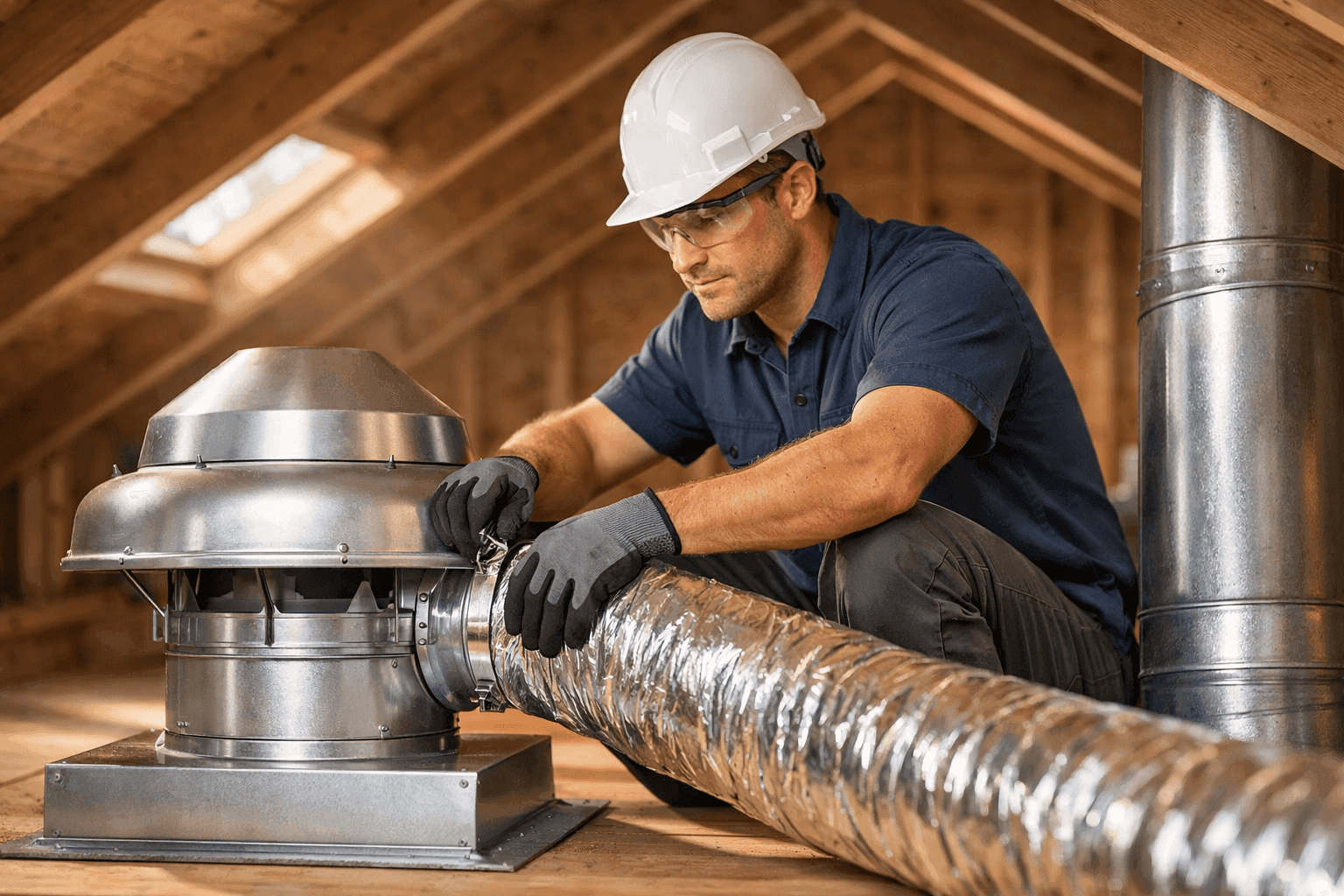
Is your home or business feeling stuffy, muggy, or just not as fresh as it should? You’re not alone. Many property owners are surprised to learn that the secret to better indoor air quality and year-round comfort often starts right above their heads—with the roof.
At Robert Foley Roofing, we see time and again how overlooked roof ventilation can lead to problems no one wants: mold, lingering smells, even warped decking. Let’s break down why roof ventilation matters, the systems available, and how you can keep your space healthy and comfortable.
Why Roof Ventilation Is Essential 🌬️
Think of your building as a living, breathing system. Without proper airflow, heat and moisture get trapped, just like a car left in the sun with the windows up. The result? Attics or upper floors that feel like saunas in summer and damp cellars in winter.
Roof ventilation helps air move in and out, balancing temperature and humidity. This isn’t just about comfort. It’s about protecting your investment—your roof, insulation, and even the structure itself. According to the International Residential Code (IRC), proper ventilation is key to preventing premature roof aging and moisture damage.
Types of Roof Ventilation Systems
Choosing the right ventilation system is a lot like picking the right shoes for a hike—you need a fit that matches your journey. Here are the most common options:
- Ridge Vents: Run along the peak of your roof, letting hot air escape naturally.
- Soffit Vents: Installed under the eaves, drawing in cooler outside air.
- Gable Vents: Placed on exterior walls near the roof peak, aiding cross-ventilation.
- Powered Attic Fans: Use electricity or solar power to force air movement.
- Cupola Vents: Decorative but functional, often seen on barns or historic buildings.
Each system has its pros and cons. For example, ridge and soffit vents work passively—no moving parts, low maintenance. Powered fans offer more control but require electricity and regular checks.
Benefits for Air Quality and Comfort
Good ventilation is like opening a window on a spring day—fresh air in, stale air out. But it does more than just make your space feel better:
- Reduces Allergens: Moves out dust, pollen, and airborne irritants.
- Prevents Mold and Mildew: Keeps attics and crawlspaces dry, stopping spores before they start.
- Regulates Temperature: Helps your HVAC system work less, saving energy.
- Protects Roof Materials: Prevents ice dams in winter and shingle curling in summer.
For commercial buildings, proper ventilation also protects inventory and equipment from moisture damage. In homes, it can mean fewer sick days and better sleep.
Maintenance and Upgrades 🛠️
Even the best ventilation system needs a little TLC. Dust, leaves, and even bird nests can block vents, cutting off airflow. Here’s what to keep in mind:
- Inspect Vents Twice a Year: Spring and fall are ideal times.
- Clear Debris: Use a soft brush or vacuum to remove blockages.
- Check for Rust or Cracks: Metal vents can corrode; plastic ones can warp.
- Upgrade When Needed: If your attic feels stuffy or you spot mold, it might be time for a new system.
For those interested in eco-friendly options, solar-powered attic fans and recycled-material vents are available. These upgrades can further reduce your building’s carbon footprint. Learn more about ventilation and insulation services and how they can be tailored for your property.
Quick Safety Checklist
Before you climb into the attic or up a ladder, stop. Safety comes first:
- Wear gloves and a dust mask—attics can be dusty and full of insulation fibers.
- Use a sturdy ladder with someone nearby to spot you.
- Never touch electrical wiring or fixtures unless you’re qualified.
When in doubt, call a professional. Some issues—like hidden leaks or structural damage—aren’t visible until it’s too late.
DIY or Call a Pro?
Some vent cleaning or minor blockage removal is possible for handy homeowners. But installing new vents, repairing damaged decking, or diagnosing hidden leaks is a job for professionals. Roofing pros have the tools (and insurance) to do the job safely.
What Happens When a Pro Arrives
Expect a thorough inspection—inside and out. Professionals check for:
- Blocked or undersized vents
- Signs of moisture, mold, or rot
- Insulation gaps or compression
- Roof deck warping or shingle damage
They’ll recommend the right system for your roof type, building use, and local climate.
Seasonal Considerations ☀️❄️
Ventilation needs shift with the seasons. In summer, heat builds up, making upper floors unbearable. In winter, trapped moisture can freeze and thaw, damaging wood and insulation.
If you’re preparing for seasonal storms or temperature swings, it’s wise to schedule a ventilation check. Many property owners looking for roofing services in West Jordan find these seasonal checkups help prevent costly repairs down the line.
Common Mistakes to Avoid
- Blocking Vents with Insulation: This stops airflow and traps moisture.
- Mixing Vent Types Incorrectly: Too many types can disrupt airflow instead of helping it.
- Ignoring Small Leaks: Even tiny drips can lead to big problems if left unchecked.
Signs of Trouble
Watch for these red flags:
- Musty odors in the attic or upper floors
- Peeling paint or damp patches on ceilings
- Ice dams forming along gutters in winter
- Higher energy bills without a clear cause
Spotting these early can save you from major headaches.
Timeline and Disruption
Most ventilation upgrades or repairs take less than a day, especially if caught early. Larger projects—like replacing decking or adding multiple vents—may take longer but are well worth the investment in comfort and protection.
Materials and Equipment
Quality matters. Look for vents made from rust-resistant metals or durable plastics. Eco-friendly materials are available for those focused on sustainability. Sealants and coatings can also help weatherproof your system.
Prevention and Regular Maintenance
Schedule regular inspections and keep gutters clear. Preventative steps are always less expensive than emergency repairs. For businesses, add ventilation checks to your annual maintenance plan to protect assets and staff.
When It’s an Emergency
Sudden leaks, visible mold, or unexplained spikes in humidity? Don’t wait. These are signs your roof’s ventilation system needs immediate attention. Emergency services can prevent further damage and restore comfort quickly.
FAQ: Roof Ventilation
Q: How do I know if my ventilation is working?
A: Your attic should be close to the outside temperature, with no musty smells or dampness.
Q: Can I add more vents myself?
A: Minor upgrades are possible, but matching vent types and locations is best left to a pro.
Q: Is ventilation required by code?
A: Yes, most building codes require a minimum amount of attic ventilation. Check with your local authorities or a qualified roofer.
Final Thoughts
Roof ventilation is one of the simplest ways to improve your building’s health and comfort. It’s not just about airflow—it’s about protecting your investment and creating a space where people feel good.
If you’re ready to breathe easier, or if you have questions about your options, Robert Foley Roofing is here to help.
Call Robert Foley Roofing now — or reach us anytime at 844-684-1881 .