Roofing in Freezing Weather: Preventing Ice Dams and Winter Damage
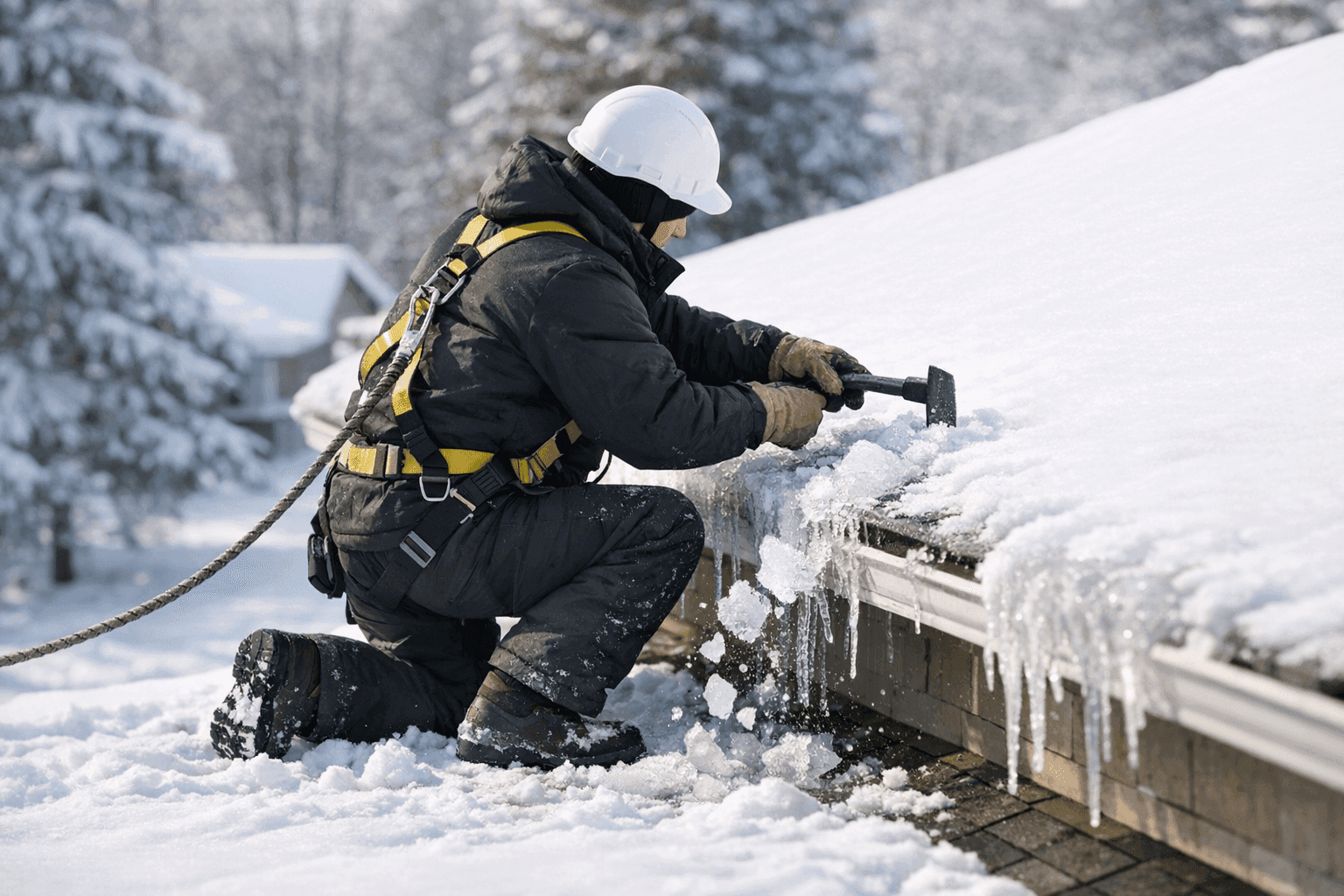
Winter can turn your roof into a battleground. As temperatures drop, even the sturdiest roofs are put to the test. Homeowners and business owners alike know that cold weather brings more than just a pretty dusting of snow—it brings hidden hazards that can sneak up on you.
At Robert Foley Roofing, we’ve seen firsthand how freezing weather can transform a minor leak into a major headache. We’re here to help you spot the warning signs, understand the risks, and take action before winter damage becomes a costly surprise.
How Ice Dams Form and Why They’re Harmful ❄️
Ice dams are like silent invaders. They form when heat escapes from your attic, warming the roof and melting snow. The melted water slides down, only to refreeze at the colder eaves. Over time, this creates a thick ridge of ice—an ice dam—that blocks water from draining off your roof.
Why is this a problem? Water can back up behind the dam and seep under your shingles. It’s a slow, relentless process, like a leaky faucet that never stops. Soon, you might find stains on your ceiling, peeling paint, or even mold. If left unchecked, ice dams can cause structural wood rot, ruin insulation, and trigger expensive repairs.
The Science Behind the Freeze
Poor insulation and ventilation are usually the culprits. According to the International Residential Code (IRC), proper attic ventilation and insulation are critical for managing heat flow and moisture. If your attic is too warm, it sets the stage for ice dams to form—and the damage can be severe.
Winter Maintenance Tips for All Roof Types
Every roof faces unique winter challenges. Shingle, tile, flat, and metal roofs all need special care when the mercury drops. Here’s how you can keep your roof in top shape, no matter what it’s made of:
- Clear Gutters and Downspouts: Clogged gutters are like blocked arteries; they force water to find a new path, often into your walls or attic.
- Trim Overhanging Branches: Snow-laden branches can snap and damage your roof or gutters.
- Inspect Flashing and Seals: Pay special attention to areas around chimneys, skylights, and vents—these are common leak points.
- Remove Snow Safely: Use a roof rake to gently clear heavy snow from the edges. Never chip away at ice—that’s a job for professionals.
- Check Attic Insulation: Good insulation keeps warm air inside your home, where it belongs.
Thinking about a long-term solution? Upgrading your ventilation and insulation services is one of the best ways to prevent ice dams and protect your investment.
Signs of Winter Roof Damage
Winter damage doesn’t always shout—it whispers. Look for these subtle signs before they grow into bigger problems:
- Water Stains: Yellow or brown spots on ceilings or walls.
- Peeling Paint: Especially near the roofline or in the attic.
- Icicles: Beautiful, but a warning sign of poor drainage and potential ice damming.
- Sagging Gutters: Added weight from ice and snow can pull gutters away from the fascia.
- Drafty Rooms: Cold spots in your home may mean insulation issues above.
If you notice any of these, it’s time to act. Early detection is the key to avoiding expensive repairs down the road.
Professional Ice Dam Solutions
Some winter problems are just too risky for DIY. When ice dams take hold, professional help is your safest bet. Here’s what a seasoned roofing crew like Robert Foley Roofing does:
- Thermal Imaging: Detects hidden leaks and heat loss.
- Steam Removal: Uses low-pressure steam to melt ice without damaging shingles.
- Insulation Upgrades: Seals gaps and boosts R-values to keep heat where it belongs.
- Ventilation Improvements: Ensures airflow to keep your attic cool and dry.
Our team follows guidelines from the National Roofing Contractors Association (NRCA) and the Occupational Safety and Health Administration (OSHA) for safe, effective ice removal.
Quick Safety Checklist Before Winter Hits
Before the first snowflake lands, walk through this checklist:
- Inspect your attic for signs of dampness or mold.
- Clean out all gutters and downspouts.
- Look for loose or missing shingles.
- Test attic ventilation—there should be a gentle flow of air.
- Schedule a preventative maintenance visit for peace of mind.
A few hours of prep can save you weeks of stress—and steep repair bills—later.
DIY vs. Call a Pro
There’s a fine line between a quick fix and a risky maneuver. Clearing light snow with a roof rake from the ground is usually safe. But climbing ladders, chipping ice, or using salt can do more harm than good.
If you’re unsure, it’s always safer to let professionals handle it. We’re trained, insured, and have the right tools for the job. Plus, we know what to look for—sometimes, the real issue is hidden beneath the surface.
What Pros Do On Arrival
When you call in the cavalry, here’s what to expect:
- A thorough inspection of your roof, gutters, and attic.
- Identification of weak spots, leaks, and insulation gaps.
- Careful removal of snow and ice using steam, not brute force.
- Recommendations for permanent fixes—like improved insulation or better flashing.
We’ll also document any damage for insurance purposes, making your claim process smoother.
Common Mistakes Homeowners Make
It’s easy to make a misstep in the cold. Here are a few pitfalls to avoid:
- Using rock salt or de-icers: These can corrode metal and damage shingles.
- Ignoring small leaks: They often grow during freeze-thaw cycles.
- Blocking attic vents: This traps warm air and makes ice dams worse.
- Waiting too long: The longer you wait, the bigger the problem becomes.
When It’s an Emergency 🚨
Sometimes, winter damage can’t wait. If you notice water pouring in, ceilings sagging, or electrical issues, call for help immediately. In urgent situations, our team can respond quickly—even in tough conditions.
If you’re looking for reliable roofing services in Shreveport, our crews are available for both residential and commercial emergencies.
Seasonal Considerations for Commercial and Residential Roofs
Commercial buildings with flat roofs face different risks than steep, residential roofs. Ponding water, heavy snow loads, and blocked drains can all spell trouble. Schedule regular inspections and clear debris before winter sets in.
For homeowners, stay alert for ice dams along eaves and valleys. Both property types benefit from proactive maintenance and timely repairs.
Timeline & Disruption: What to Expect
Most winter repairs can be handled in a day or two, but extensive damage may take longer. Weather delays are possible—safety always comes first. We work efficiently to minimize disruption, keeping your business or home running smoothly.
Materials and Equipment That Make a Difference
Quality matters, especially in winter. We use ice and water shield membranes, heavy-duty flashing, and durable sealants designed for cold climates. Our tools—like steamers and thermal cameras—help us work safely and effectively, even when the temperature drops.
The Value of Pre-Winter Roof Inspections
Think of a pre-winter inspection as a flu shot for your roof. It’s a small investment that pays big dividends. Identifying weak spots, clearing gutters, and checking insulation now can prevent headaches when winter is at its worst.
For homeowners and building managers alike, scheduling an inspection before the first freeze is one of the smartest moves you can make.
Preventing Future Ice Dams: Long-Term Solutions
The best way to fight ice dams is to stop them before they start. Here’s how:
- Upgrade attic insulation to recommended R-values.
- Improve ventilation to keep attic temperatures consistent.
- Install ice and water barriers in vulnerable areas.
- Replace worn-out flashing and sealants.
- Schedule annual maintenance and inspections.
If you’re ready to tackle winter head-on, our team can help you choose the right long-term solutions for your property.
Frequently Asked Questions About Winter Roofing
How often should I have my roof inspected in winter?
Ideally, schedule an inspection before winter and after any major storm.
Can I prevent all ice dams with insulation alone?
Insulation helps, but proper ventilation and sealing air leaks are just as important.
Is metal roofing better for winter climates?
Metal roofs shed snow more easily, but still require proper insulation and maintenance.
What’s the safest way to remove icicles?
Leave large icicles to the pros—removing them yourself can damage gutters or cause injury.
Ready to Protect Your Roof This Winter?
Staying ahead of winter damage takes planning, vigilance, and the right support. Whether you need an inspection, insulation upgrade, or emergency repair, Robert Foley Roofing is here to help—no matter the weather.
Call Robert Foley Roofing now — or reach us anytime at 844-684-1881 .